OBT
- By obert-1
- Aug 13 2026
Why Does an Automotive Muffler Rust? Causes, Prevention and Maintenance
Rust and corrosion are common concerns for automotive exhaust systems. The muffler is located underneath the vehicle and operates in a challenging environment where it is exposed to heat, moisture, road dirt, salt, and exhaust gases.
Understanding why mufflers rust can help vehicle owners, repair shops, distributors, and automotive parts buyers select better products and improve service life.
- Moisture and Condensation
One of the most important causes of internal muffler corrosion is condensation.
When a vehicle is started, the exhaust system is initially cold. Water vapor contained in exhaust gases can condense when it contacts cooler internal surfaces.
If the vehicle is driven for only a short period, the exhaust system may not become hot enough to remove all accumulated moisture.Over time, repeated condensation and drying cycles can contribute to internal corrosion.
Research has demonstrated that exhaust gas condensation can cause corrosion on internal muffler walls and eventually lead to perforation.
- Road Salt and Environmental Exposure
External corrosion can be accelerated by road salt, especially in regions where salt or de-icing chemicals are used during winter.
Salt can remain on exhaust components underneath a vehicle. Combined with moisture, it creates an environment that promotes corrosion.
Coastal areas can also present additional challenges because humid air and salt particles can increase corrosion exposure.3. High Temperature and Thermal Cycling
- High Temperature and Thermal Cycling
Mufflers experience repeated heating and cooling.
During driving, exhaust components become hot. After the vehicle is parked, the components cool down.
These repeated temperature changes can affect protective oxide layers and material properties.
Research on stainless steels used in automotive mufflers has examined both oxidation and condensate exposure, demonstrating the importance of thermal and corrosion resistance in exhaust applications.4. Material Selection
The choice of material has a major influence on corrosion resistance.
Mild steel can be more vulnerable to corrosion than stainless steel. Stainless steel contains alloying elements that can improve corrosion resistance.
However, different stainless-steel grades perform differently.
Research has compared grades including 409, 429, 436, 439, and 441 for automotive muffler applications. The results show differences in pitting behavior and corrosion resistance.
Therefore, manufacturers should select the appropriate material according to the expected operating environment.5. Poor Manufacturing Quality
Even when a muffler uses a corrosion-resistant material, manufacturing quality remains important.
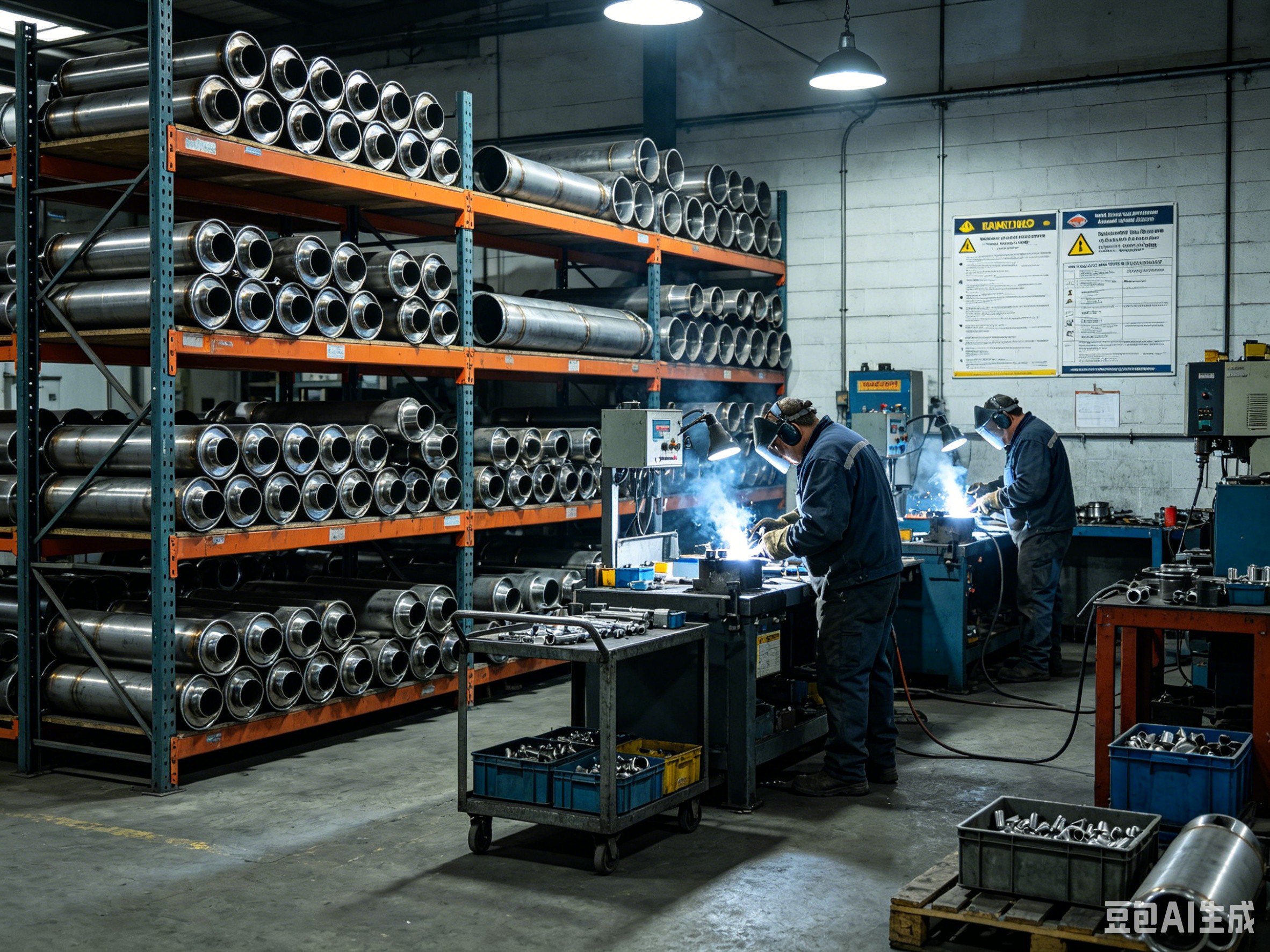
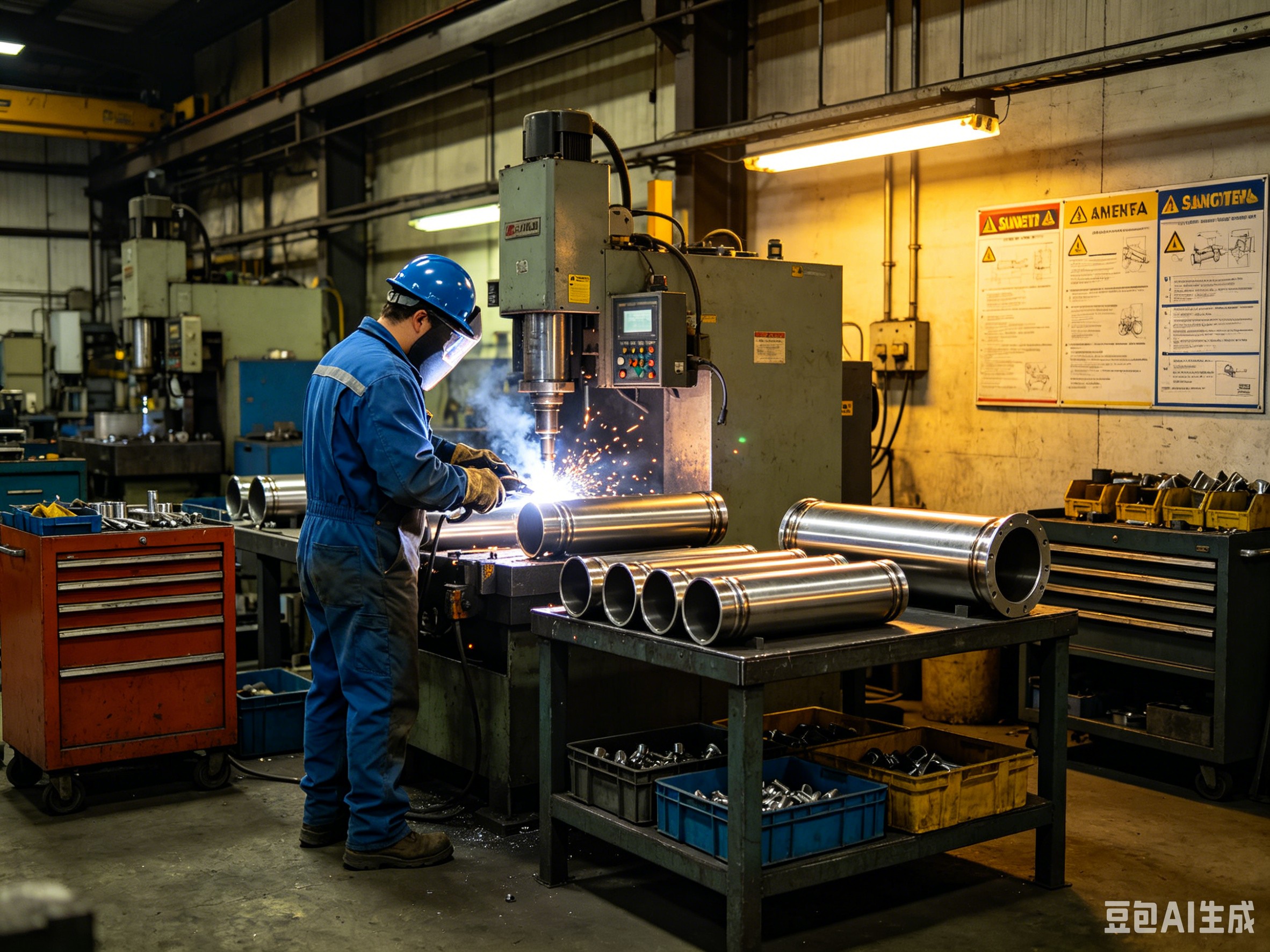
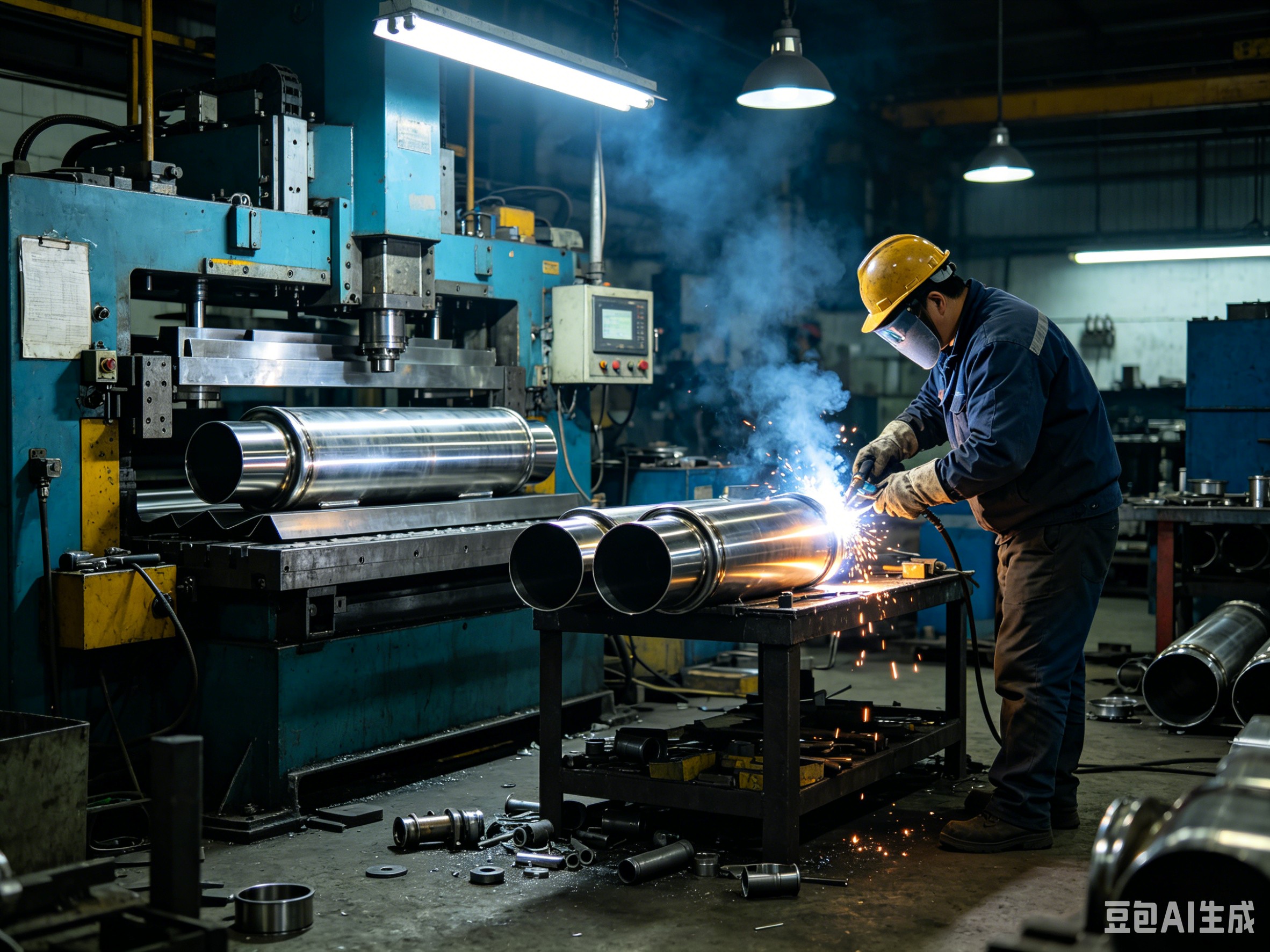
Poor welding can create weak points. Incorrect forming can cause stress concentration. Inaccurate pipe connections can result in leakage and premature failure.
Quality inspection should therefore include weld appearance, dimensional accuracy, leakage testing, material verification, and surface inspection.6. How Can Muffler Corrosion Be Reduced?
Vehicle owners can take several practical steps to reduce corrosion risk.
First, avoid using a vehicle only for extremely short trips whenever possible. Longer driving periods allow the exhaust system to reach operating temperature and reduce retained moisture.
Second, wash the underside of the vehicle regularly, especially after driving on salted roads.
Third, inspect the exhaust system periodically for rust, holes, cracks, loose brackets, or unusual noise.
For replacement parts, selecting corrosion-resistant materials can also improve durability.7. Why Stainless Steel Is Popular
Stainless steel is widely used in automotive exhaust systems because it provides good resistance to corrosion and oxidation.
Different stainless grades have been developed specifically for automotive exhaust applications. Studies have found that alloying elements such as chromium and molybdenum can influence corrosion resistance.
For premium replacement mufflers, stainless steel can therefore provide an attractive combination of durability and appearance.Conclusion
Automotive muffler corrosion is caused by a combination of moisture, exhaust condensation, temperature cycling, environmental exposure, road salt, and material characteristics.
For manufacturers and distributors, corrosion resistance should be considered during material selection and product development.
For vehicle owners, regular inspection and choosing an appropriately manufactured replacement muffler can help reduce premature exhaust failure.
A well-designed muffler made from suitable materials can provide reliable performance while helping extend the service life of the complete exhaust system.
Shandong Obert Machinery Technology Co., Ltd. specializes in automotive exhaust systems and related metal parts. We manufacture mufflers, catalytic converters, exhaust pipes, and stamped components, and provide OEM & ODM services for commercial vehicle manufacturers with customized engineering solutions.