OBT
- By obert-1
- Sep 02 2026
Why Low Back Pressure Mufflers Are Important for Modern Diesel Trucks
Why Low Back Pressure Mufflers Are Important for Modern Diesel Trucks
Modern diesel trucks require exhaust systems that can handle high temperatures, continuous vibration, heavy engine loads, and long operating hours. At the same time, the exhaust system must provide effective noise control without creating unnecessary restriction.
This is why low back pressure mufflers have become an important topic for truck manufacturers, fleet operators, distributors, and aftermarket buyers.
A properly designed low back pressure muffler can help maintain efficient exhaust gas flow while providing the required level of sound attenuation. For heavy-duty diesel applications, finding the right balance between noise reduction, exhaust flow, durability, and installation compatibility is essential.
What Is Exhaust Back Pressure?
Exhaust back pressure is the resistance experienced by exhaust gases as they travel through the exhaust system.
Every exhaust system creates some degree of resistance. However, excessive restriction can make it more difficult for the engine to expel exhaust gases.
For this reason, muffler manufacturers need to carefully design internal chambers, tubes, perforations, baffles, and gas flow paths.
The goal of a low back pressure muffler is not simply to make the exhaust system as open as possible. Instead, it should provide an appropriate balance between exhaust flow and acoustic performance for the specific engine.
Why Is Low Back Pressure Important for Diesel Trucks?
Diesel trucks frequently operate under heavy loads. Long-distance transportation, towing, climbing steep roads, and continuous highway operation can place significant demands on the engine and exhaust system.
A restrictive exhaust system may increase the resistance against exhaust gas flow. Therefore, exhaust engineers pay close attention to muffler design and total system configuration.
Modern exhaust systems are also more complex than traditional systems. Mufflers may work alongside components such as diesel oxidation catalysts, diesel particulate filters, selective catalytic reduction systems, sensors, and exhaust pipes.
Industry research describes the modern exhaust system as an integrated platform combining thermal, acoustic, emissions, and sensor-related functions.
Balancing Noise Reduction and Exhaust Flow
A muffler has two important jobs: controlling exhaust noise and allowing exhaust gases to pass through the system.
These requirements can sometimes compete with each other.
A muffler with complex internal structures may provide strong sound attenuation but could create greater flow resistance if it is poorly designed. On the other hand, a very open design may provide excellent flow but insufficient noise reduction.
Professional muffler development therefore focuses on chamber volume, pipe diameter, perforated tube design, internal gas flow, and acoustic characteristics.
For commercial trucks, the final design should be matched to the engine, exhaust volume, vehicle configuration, and application requirements.
Material Selection Affects Muffler Durability
Material is another important consideration for heavy-duty mufflers.
Truck exhaust components are exposed to high temperatures, condensation, road moisture, vibration, dirt, and in some markets, road salt.
Stainless steel is widely used for exhaust applications where corrosion resistance and long service life are important. Industry sourcing information in 2026 also highlights 304 stainless steel as a common choice for durable truck exhaust applications.
However, material selection should always be based on the specific operating environment. Material grade, thickness, welding quality, thermal characteristics, and expected service life all need to be evaluated together.
Thermal Management Is Becoming More Important
Diesel exhaust systems can experience significant temperature changes during operation.
A truck may operate at low load during city driving and then experience much higher exhaust temperatures during highway driving, climbing, towing, or regeneration-related events.
Repeated heating and cooling cycles can place stress on muffler bodies, welds, mounting brackets, and other exhaust components.
A reliable heavy duty muffler therefore needs appropriate material selection and structural design to withstand thermal cycling.
Thermal management is becoming an increasingly important consideration across the diesel aftermarket because sustained high loads can increase thermal stress on exhaust components and other engine-related parts.
Heavy-Duty Applications Require Stronger Construction
A passenger car and a heavy-duty truck do not place the same demands on a muffler.
Truck mufflers may need to operate for thousands of hours under demanding conditions. They can be exposed to road vibration, mechanical shock, water, dust, mud, and continuous temperature changes.
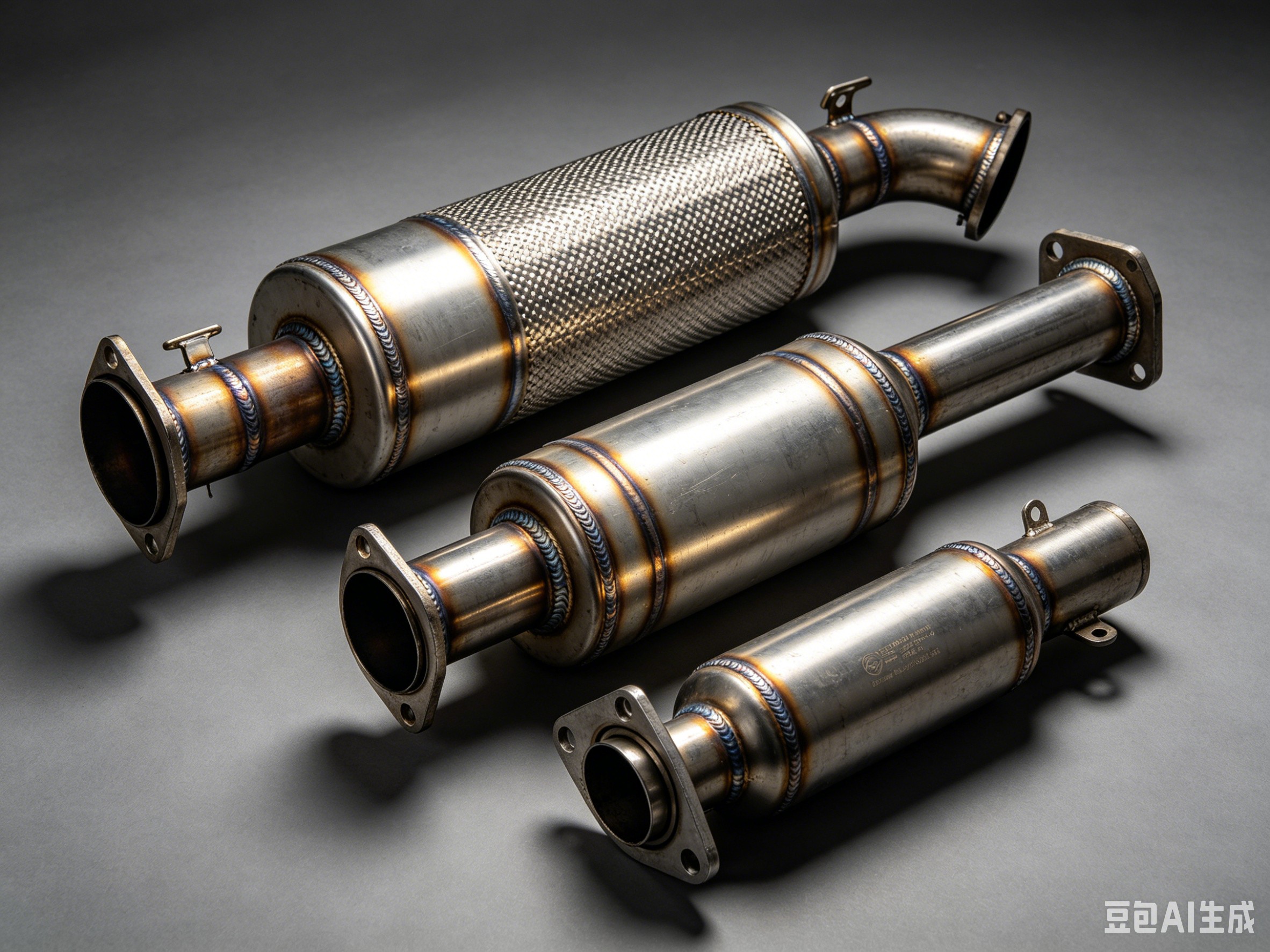
For this reason, heavy-duty mufflers should have reliable welds, suitable wall thickness, strong mounting points, and a properly designed internal structure.
For fleet operators, durability can be especially important because exhaust component failure can result in vehicle downtime and additional maintenance costs.
Low Back Pressure Does Not Mean “Universal”
One common mistake is assuming that any free-flowing muffler will automatically be suitable for a diesel truck.
Muffler performance depends on engine displacement, exhaust flow, turbocharger configuration, exhaust pipe diameter, emissions equipment, installation space, and vehicle application.
A muffler designed for one truck may not provide the same performance on another vehicle.
This is why OEM and custom muffler manufacturing can be valuable for international buyers. Manufacturers can develop products according to technical drawings, samples, dimensions, inlet and outlet locations, and mounting requirements.
Compatibility With Modern Exhaust Systems
Today's diesel exhaust systems can include DPF, SCR, DOC, NOx sensors, temperature sensors, and other components.
The muffler should therefore be considered as part of the complete exhaust system rather than as an isolated product.
In North America, industry developments in 2026 continue to emphasize emissions-system verification and compliance-ready exhaust hardware for heavy-duty vehicles.
For international distributors, this makes accurate product application information increasingly important.
Suppliers should clearly identify the vehicle application, engine compatibility, dimensions, materials, and installation requirements.
Why Buyers Should Work With an Experienced Muffler Manufacturer
For wholesalers, importers, repair businesses, and truck parts distributors, supplier capability can have a major impact on product consistency.
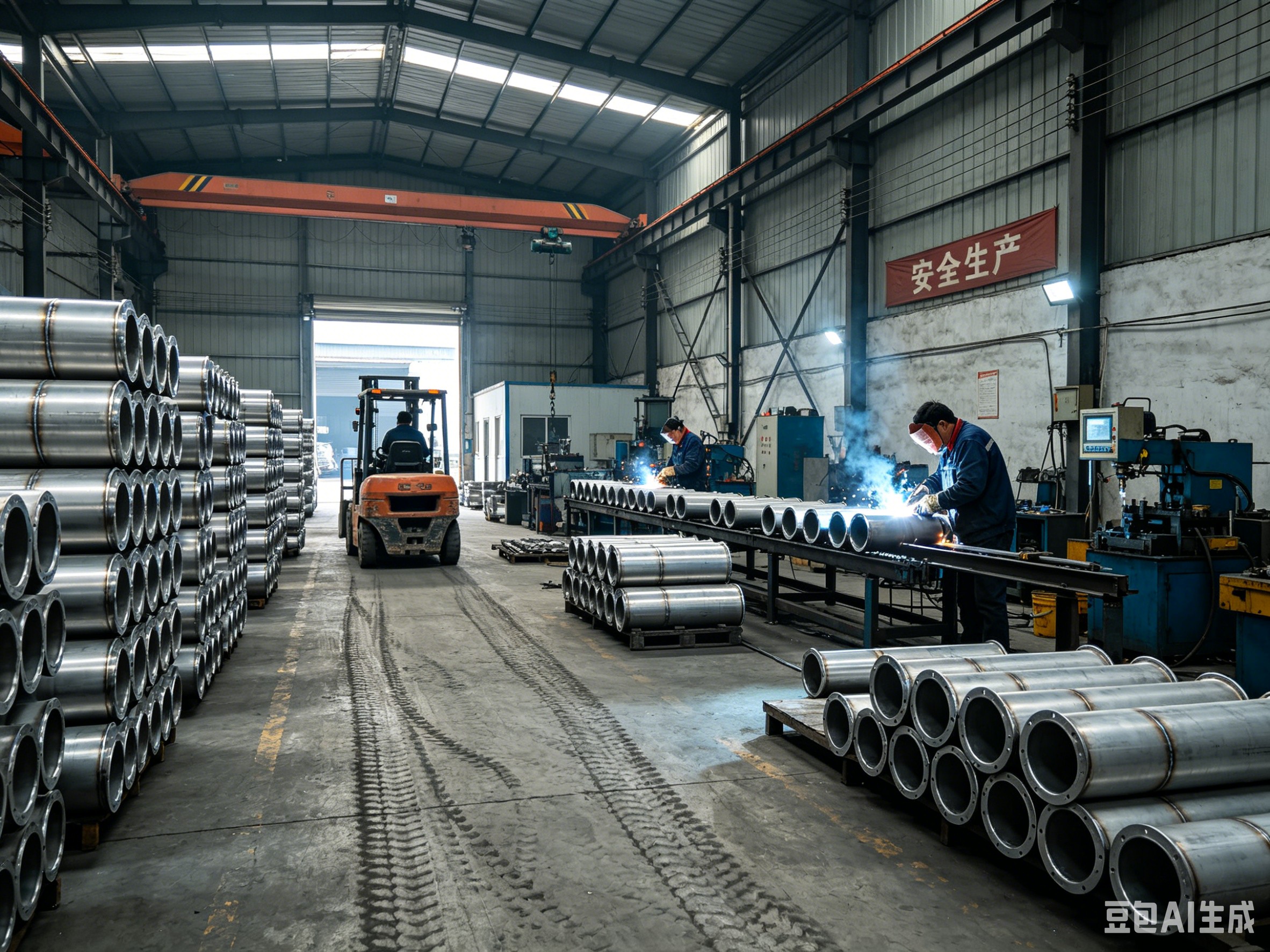
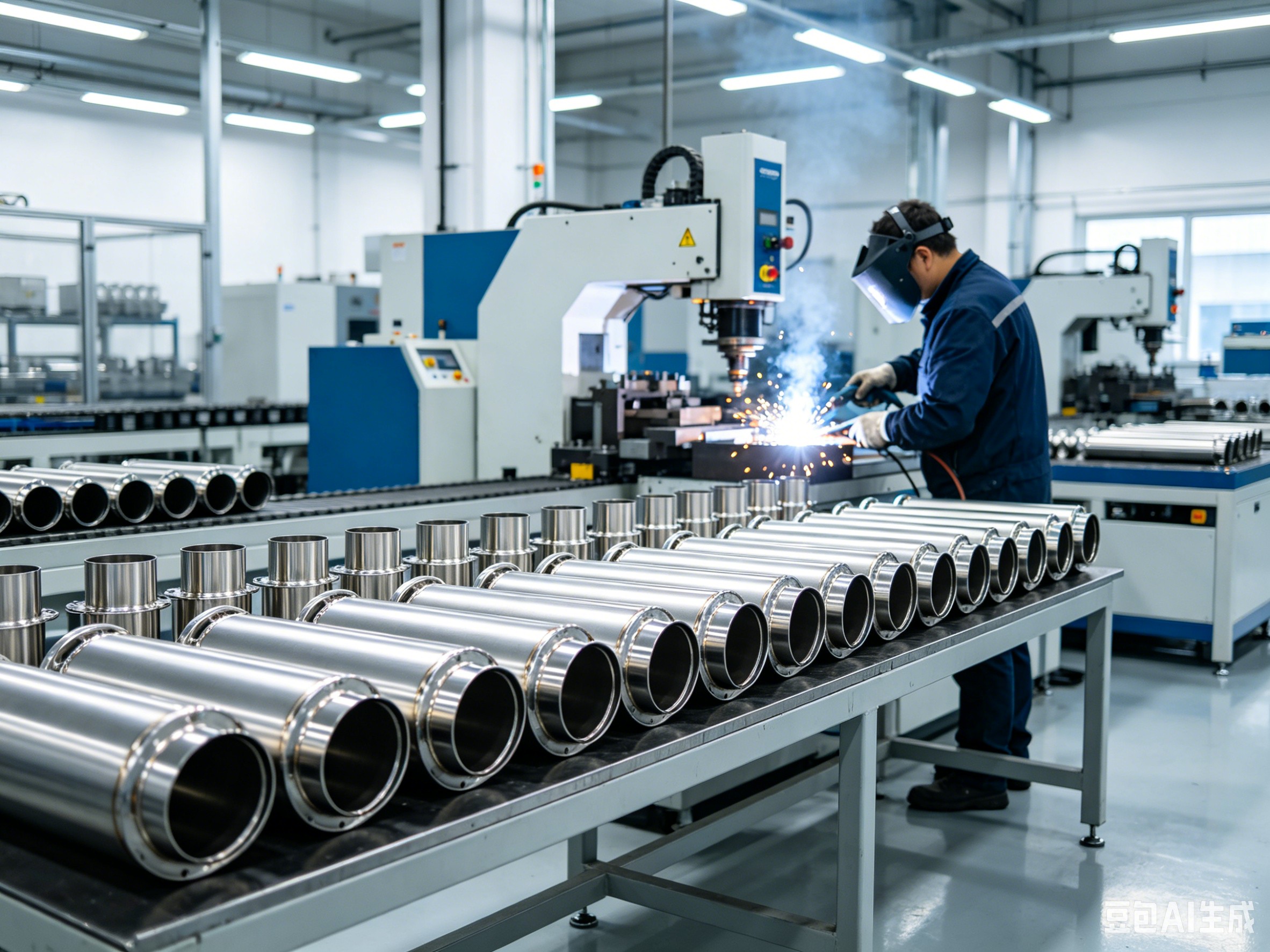
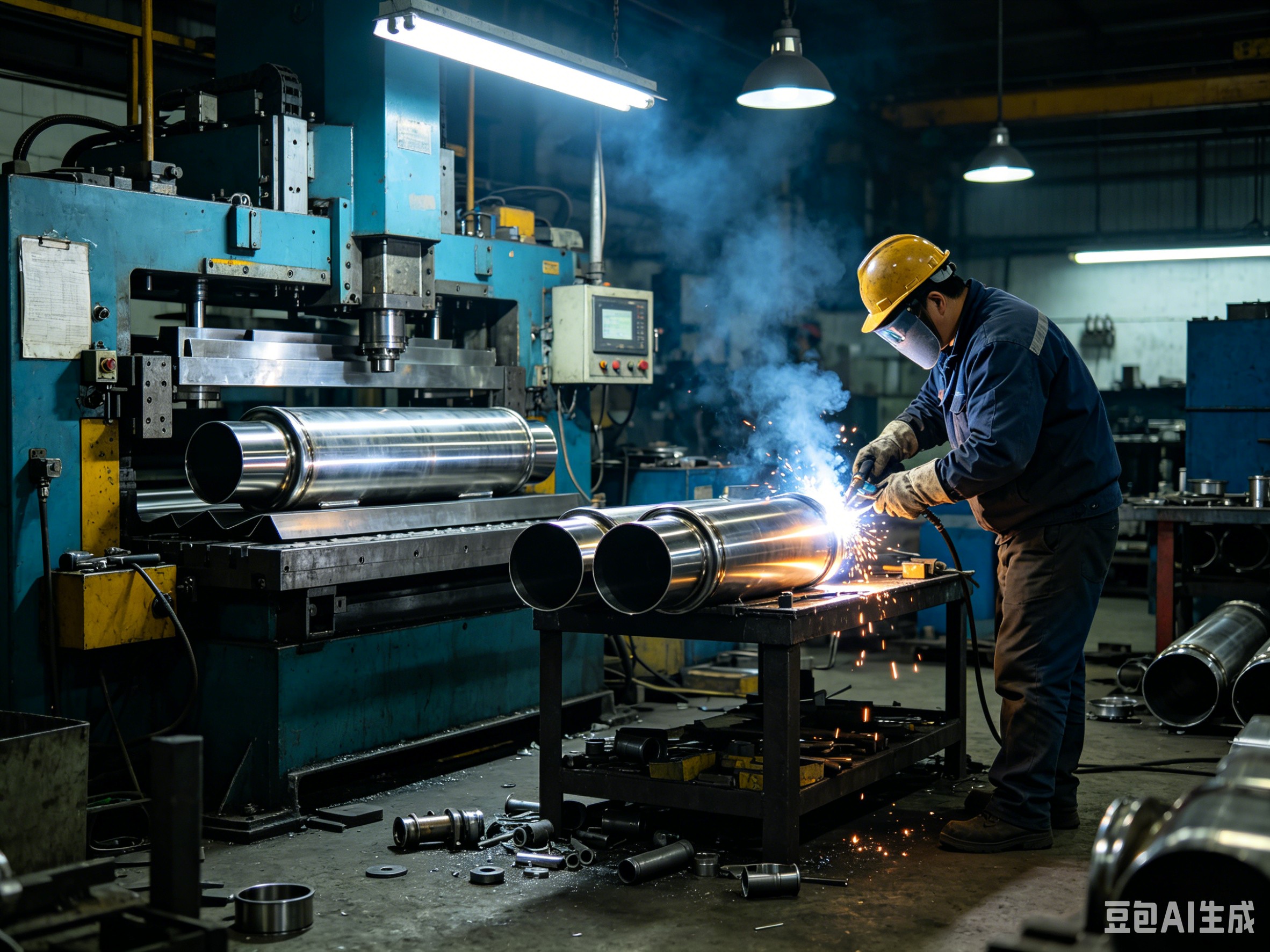
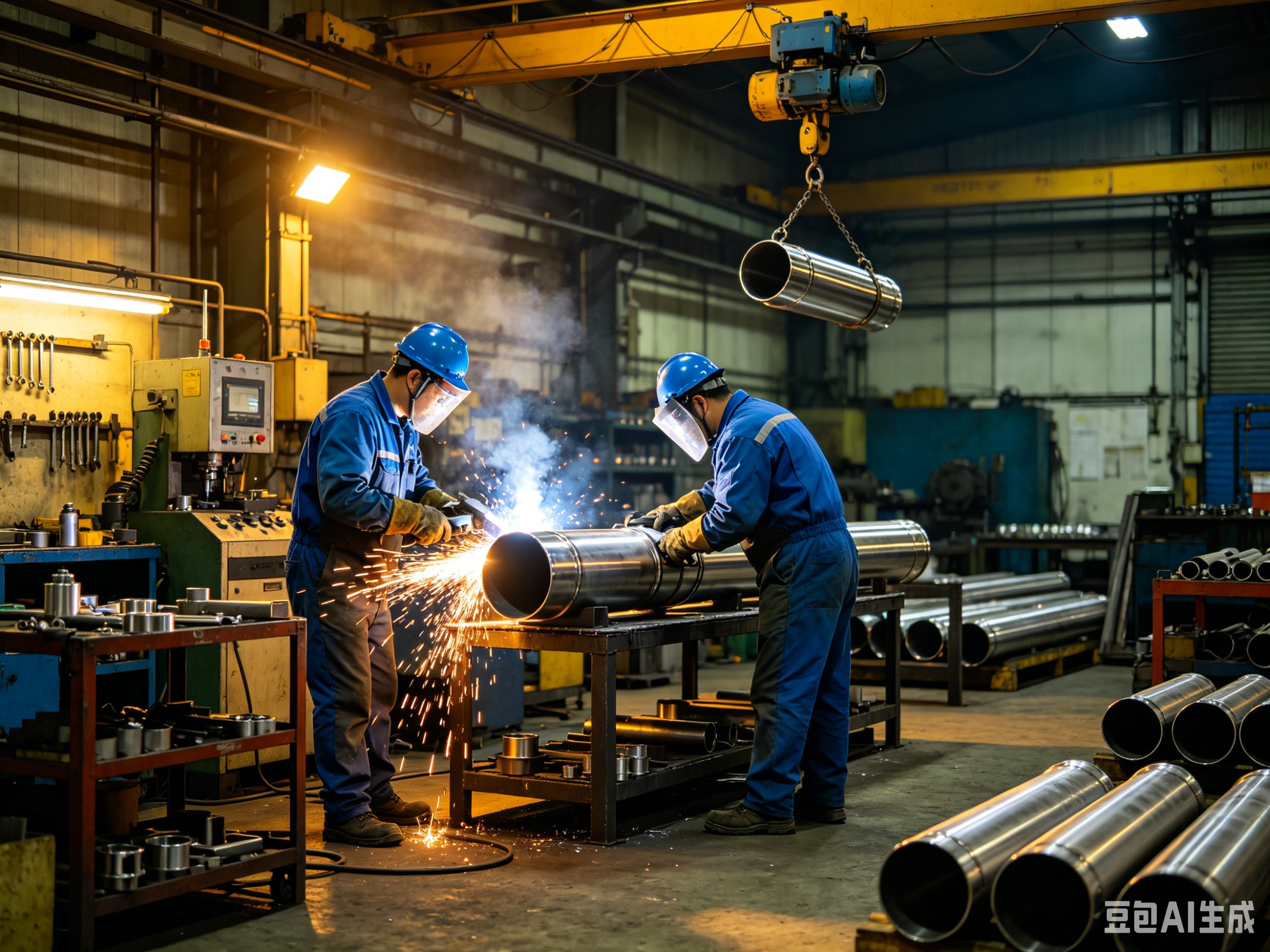
A professional manufacturer should be able to control raw materials, welding processes, dimensions, internal structures, surface treatment, quality inspection, and packaging.
Customization capability is also valuable because different markets may require different truck muffler dimensions and configurations.
An experienced manufacturer can support both standard products and customized exhaust solutions for different truck models and industrial applications.
The Future of Truck Mufflers
The global exhaust system market continues to develop as manufacturers focus on emissions control, fuel efficiency, thermal management, durability, and increasingly integrated exhaust technologies. Market research published in 2026 also identifies mufflers as an important component within the broader automotive exhaust system market.
Although electric vehicles are changing the passenger-car market, diesel trucks, commercial vehicles, construction machinery, agricultural equipment, and other heavy-duty applications continue to create demand for reliable exhaust components.
For these markets, the future of the muffler is likely to focus on better flow characteristics, improved durability, corrosion-resistant materials, optimized acoustic performance, and compatibility with increasingly complex exhaust systems.
Conclusion
A low back pressure muffler is more than a simple noise-control component. For modern diesel trucks, muffler design can influence exhaust flow, acoustic performance, durability, thermal management, and overall exhaust system integration.
When selecting a diesel truck muffler, buyers should consider vehicle application, engine specifications, pipe diameter, material, operating temperature, mounting configuration, and compatibility with the complete exhaust system.
For distributors and OEM customers, working with an experienced automotive muffler manufacturer can provide greater flexibility through standard and customized products.
As heavy-duty vehicles continue to demand reliable and efficient exhaust solutions, low back pressure mufflers, stainless steel mufflers, diesel mufflers, and custom truck exhaust components will remain important products in the global automotive aftermarket.
Shandong Obert Machinery Technology Co., Ltd. specializes in automotive exhaust systems and related metal parts. We manufacture mufflers, catalytic converters, exhaust pipes, and stamped components, and provide OEM & ODM services for commercial vehicle manufacturers with customized engineering solutions.