OBT
- By obert-1
- Sep 21 2026
How to Choose the Right Motorcycle Muffler for Different Riding Applications
How to Choose the Right Motorcycle Muffler for Different Riding Applications
The motorcycle muffler is an important part of the motorcycle exhaust system. It helps control exhaust noise while influencing exhaust gas flow, temperature management, durability, and the overall design of the exhaust system.
Different motorcycles have different engine sizes, exhaust configurations, frame designs, and riding applications. A muffler suitable for a small commuter motorcycle may not be appropriate for a larger touring motorcycle, off-road motorcycle, or performance-oriented model.
For motorcycle manufacturers, distributors, wholesalers, repair shops, and aftermarket brands, understanding the main factors involved in motorcycle muffler selection can help ensure better product compatibility and long-term performance.
What Does a Motorcycle Muffler Do?
The primary function of a motorcycle muffler is to reduce the sound produced by high-pressure exhaust gases leaving the engine.
When combustion gases leave the engine, they can create strong pressure pulses and significant noise. The muffler uses internal chambers, perforated tubes, packing materials, or other acoustic structures to reduce the sound level.
However, a motorcycle muffler is not simply a noise-control device.
Its internal structure also affects exhaust gas flow and back pressure. Therefore, manufacturers need to balance acoustic performance with the requirements of the motorcycle engine.
Motorcycle Type Should Be Considered First
Before choosing a motorcycle muffler, buyers should identify the type of motorcycle and its intended application.
Common motorcycle categories include:
Commuter motorcycles
Sport motorcycles
Touring motorcycles
Cruisers
Off-road motorcycles
Utility motorcycles
Small-displacement motorcycles
Each category may have different exhaust requirements.
A commuter motorcycle may prioritize quiet operation, durability, compact dimensions, and cost efficiency. A larger motorcycle may require greater exhaust flow capacity and a different muffler configuration.
The motorcycle engine model and displacement should therefore be considered when selecting an exhaust muffler.
Exhaust Flow Is an Important Factor
The exhaust system needs to allow combustion gases to leave the engine efficiently.
Muffler design can influence exhaust flow resistance. If the internal structure creates excessive restriction, exhaust back pressure can increase.
On the other hand, an extremely open exhaust system may not provide the required noise control or may not be appropriate for the engine configuration.
For this reason, professional motorcycle muffler manufacturers carefully consider internal pipe diameter, chamber structure, perforation design, muffler volume, and exhaust gas direction.
The correct solution depends on the specific engine and exhaust system.
Material Selection Affects Service Life
Motorcycle exhaust systems are exposed to high temperatures, moisture, road dirt, vibration, and changing weather conditions.
Material selection therefore has a major influence on muffler durability.
Stainless steel is widely used in exhaust applications because it provides good corrosion resistance and can withstand demanding operating environments.
For motorcycles used in humid or coastal regions, corrosion resistance can be particularly valuable.
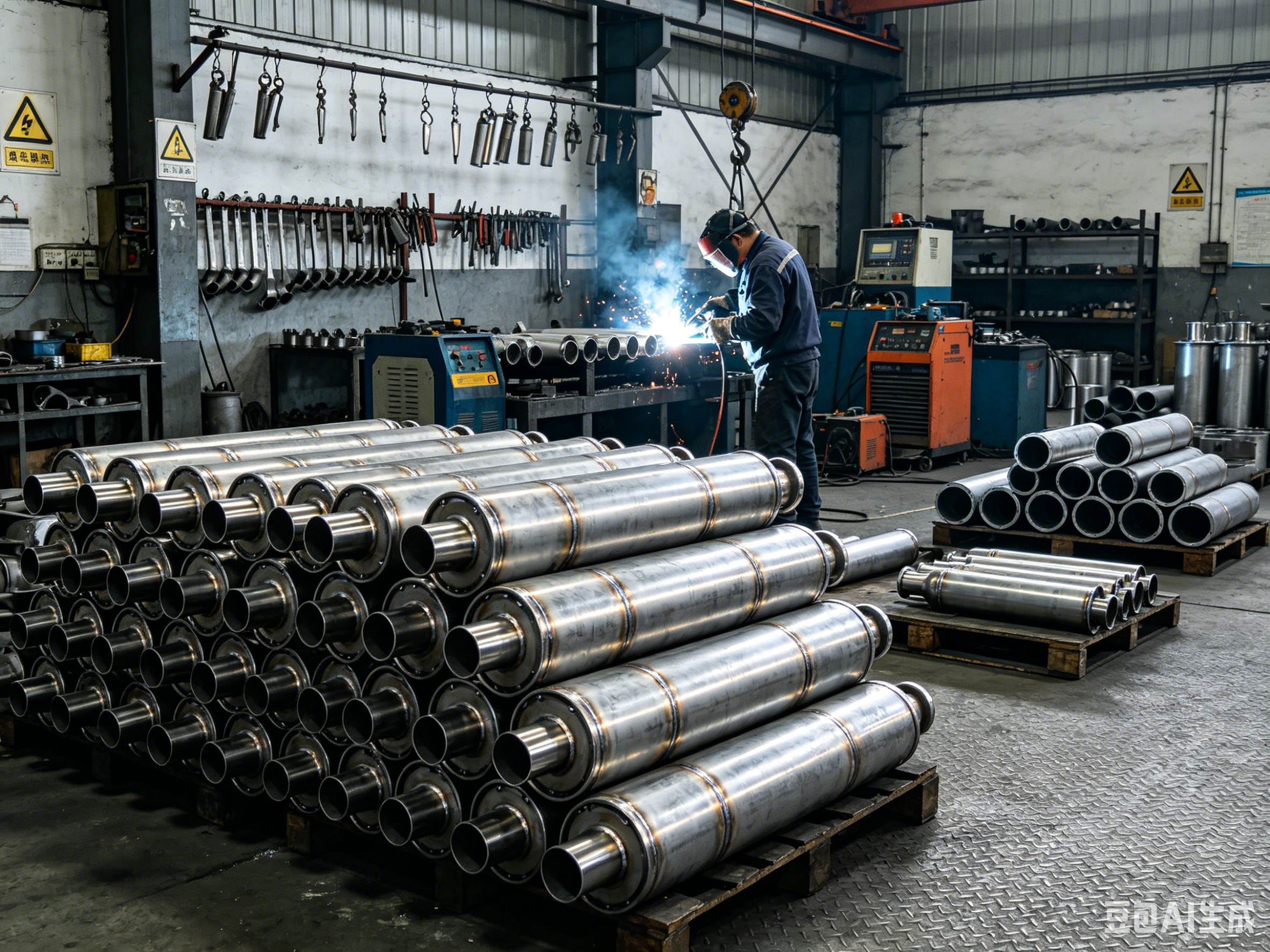
However, buyers should also consider material thickness, stainless steel grade, welding quality, surface treatment, and expected service conditions.
A high-quality material combined with reliable manufacturing processes can help extend muffler service life.
Size and Installation Compatibility
A motorcycle muffler must fit the available installation space.
The overall length, body diameter, inlet diameter, outlet diameter, mounting position, and bracket configuration all need to match the motorcycle.
A muffler that looks suitable may still require modifications if the mounting points or pipe dimensions are different.
For OEM customers, accurate technical drawings and dimensional specifications are particularly important.
For aftermarket distributors, confirming motorcycle model compatibility can help reduce installation problems and customer returns.
Noise Reduction Requirements
Different motorcycle markets may have different expectations for exhaust sound.
Some riders prioritize quiet operation for daily commuting, while others may prefer a different exhaust sound characteristic.
Regardless of the application, the muffler should be designed to provide appropriate acoustic performance for the intended motorcycle.
Manufacturers can adjust internal chamber configurations, perforated tubes, sound-absorbing materials, and muffler dimensions to achieve different acoustic characteristics.
The objective should be to balance sound control with exhaust flow and durability.
Stainless Steel Mufflers for Motorcycle Applications
Stainless steel motorcycle mufflers are popular for applications where corrosion resistance, appearance, and durability are important.
The material can provide a clean appearance while helping the exhaust component withstand moisture and temperature changes.
Different stainless steel grades can be selected depending on the application, performance requirements, and target cost.
For motorcycle manufacturers and aftermarket brands, stainless steel can also provide flexibility in product appearance and surface finishing.
Polished, brushed, or other surface treatments may be available depending on the manufacturing process and customer requirements.
Custom Motorcycle Exhaust Solutions
Not every motorcycle manufacturer needs a standard muffler.
OEM and aftermarket customers may require customized products for specific motorcycle models.
A custom motorcycle muffler can be developed according to:
Motorcycle model
Engine model
Engine displacement
Inlet diameter
Outlet diameter
Muffler dimensions
Mounting position
Bracket design
Material requirements
Surface finish
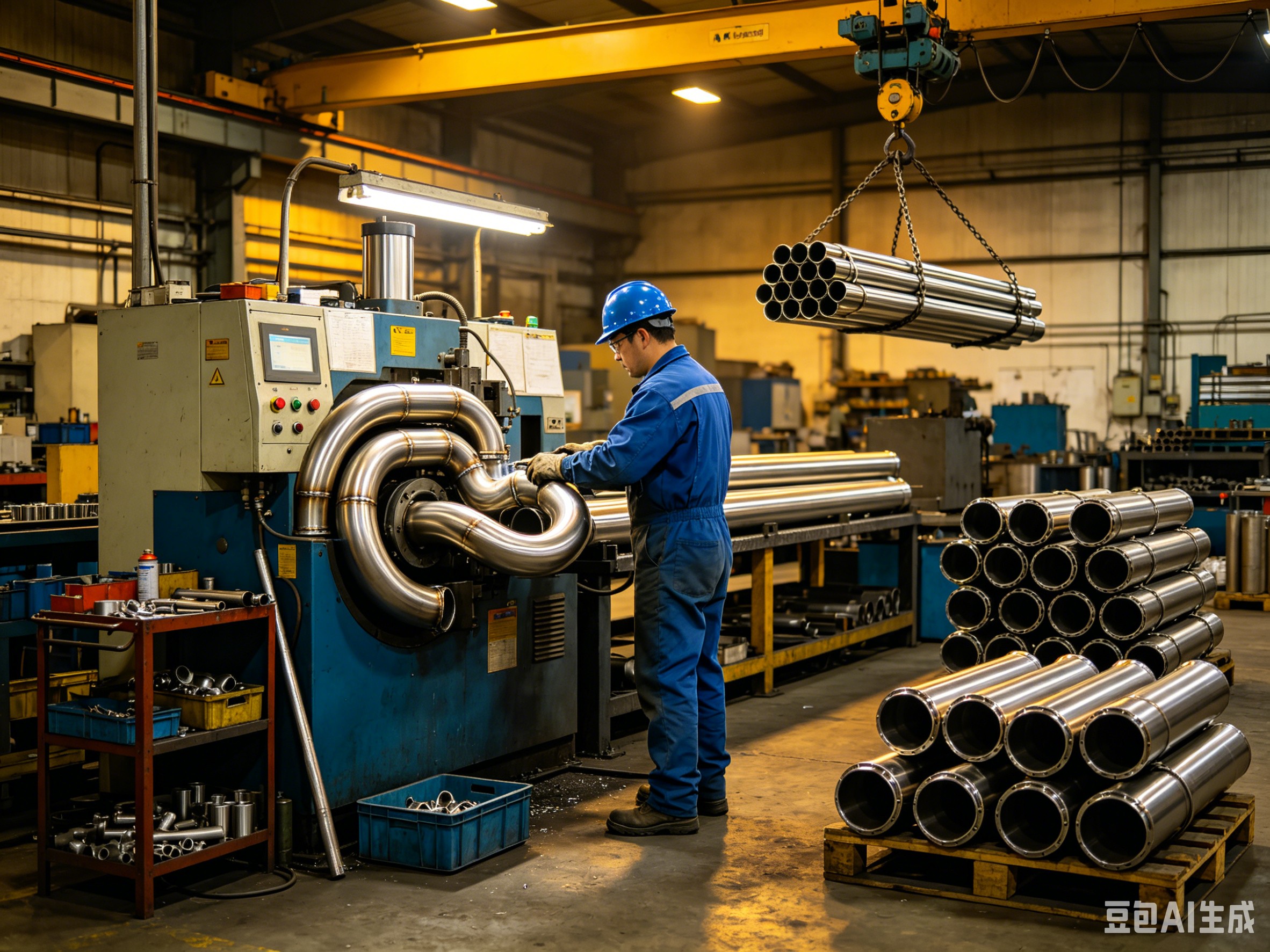
Manufacturers can develop products based on drawings, physical samples, technical specifications, or customer requirements.
This makes custom manufacturing particularly useful for motorcycle brands, distributors, and aftermarket companies.
Durability Under Vibration
Motorcycles experience continuous vibration during operation.
The exhaust system is connected directly to the engine and frame, meaning vibration can be transferred to the exhaust components.
Over time, poor-quality welds, weak mounting brackets, or unsuitable materials may contribute to cracking or deformation.
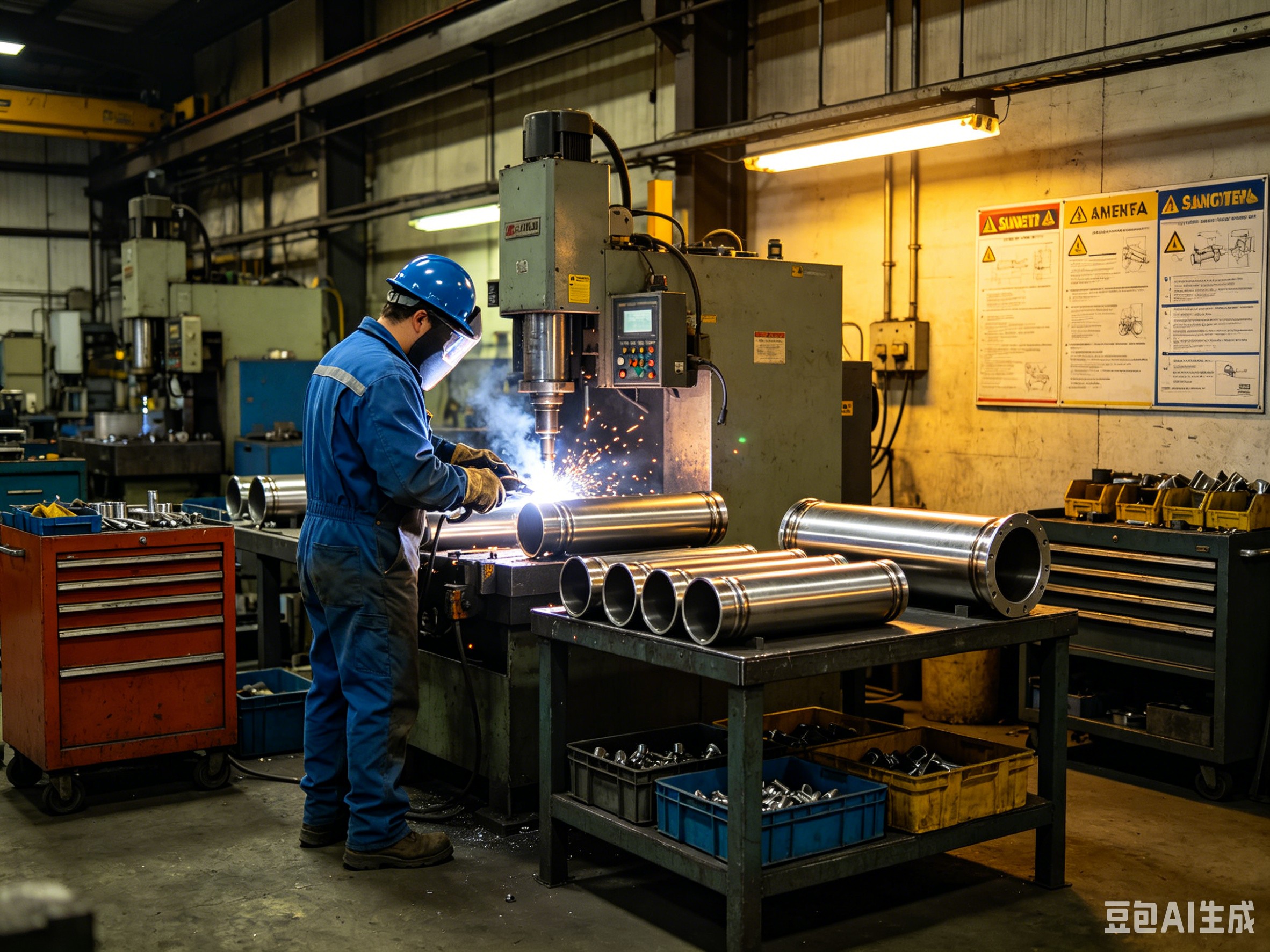
A reliable motorcycle muffler should therefore have strong welding, appropriate structural design, and secure mounting points.
For products intended for off-road or utility motorcycles, these considerations can become even more important because the equipment may experience additional vibration and mechanical shock.
Choosing a Motorcycle Muffler Manufacturer
For international buyers, supplier selection is an important part of the purchasing process.
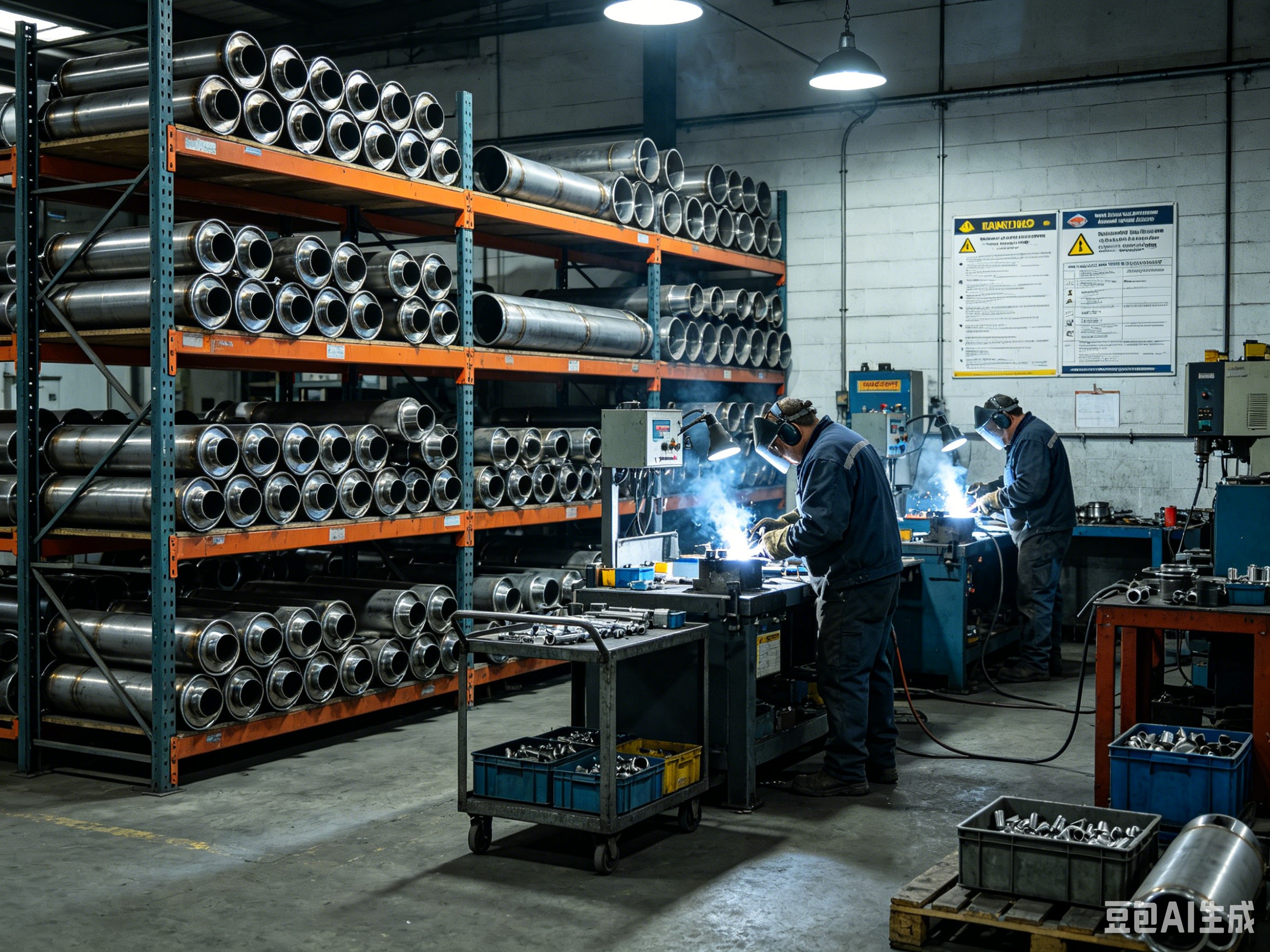
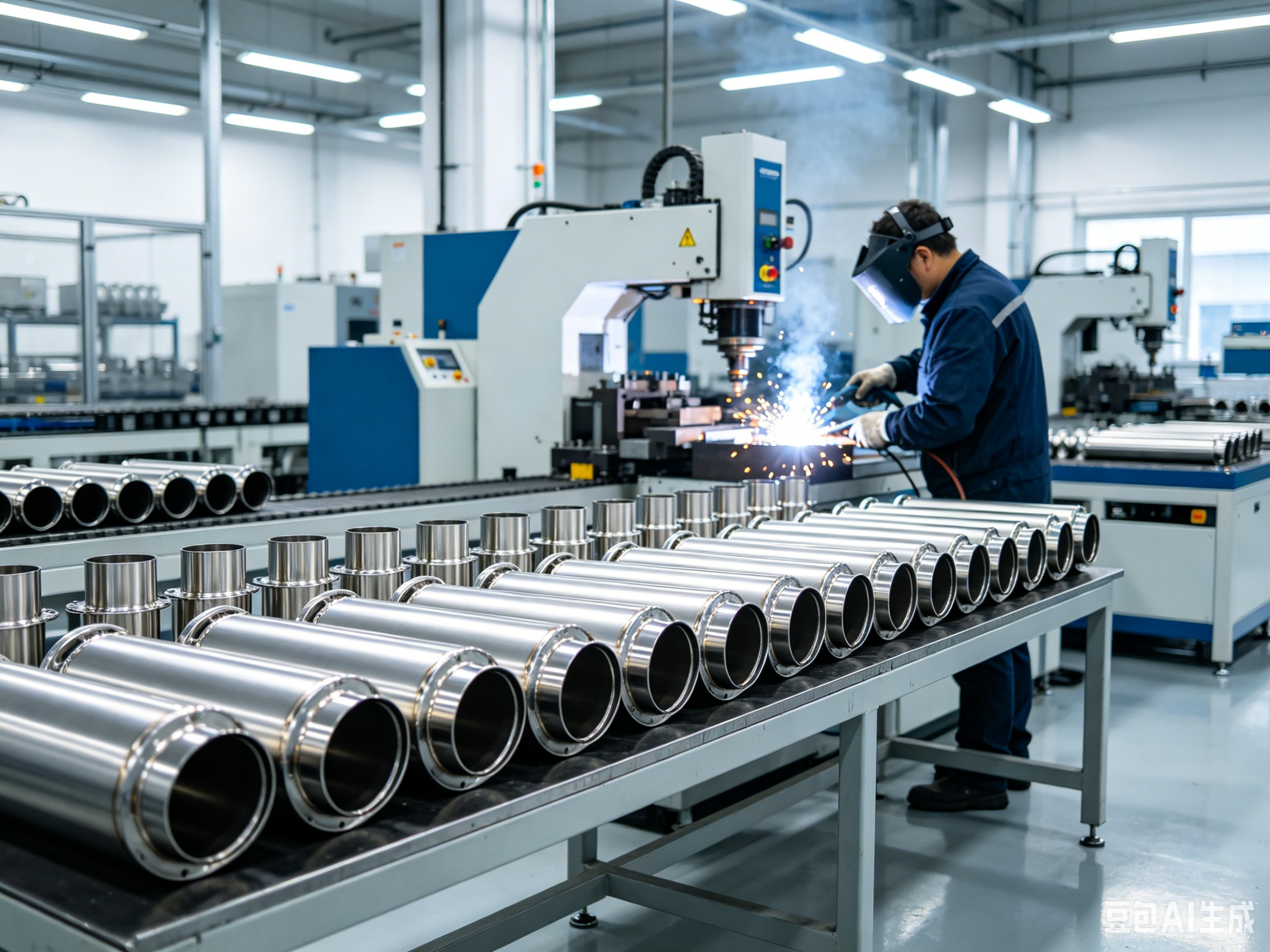
A professional manufacturer should be able to provide stable production, consistent dimensions, reliable welding, suitable materials, and customization support.
Buyers should consider:
Manufacturing capability
OEM and ODM experience
Material control
Welding quality
Dimensional accuracy
Quality inspection
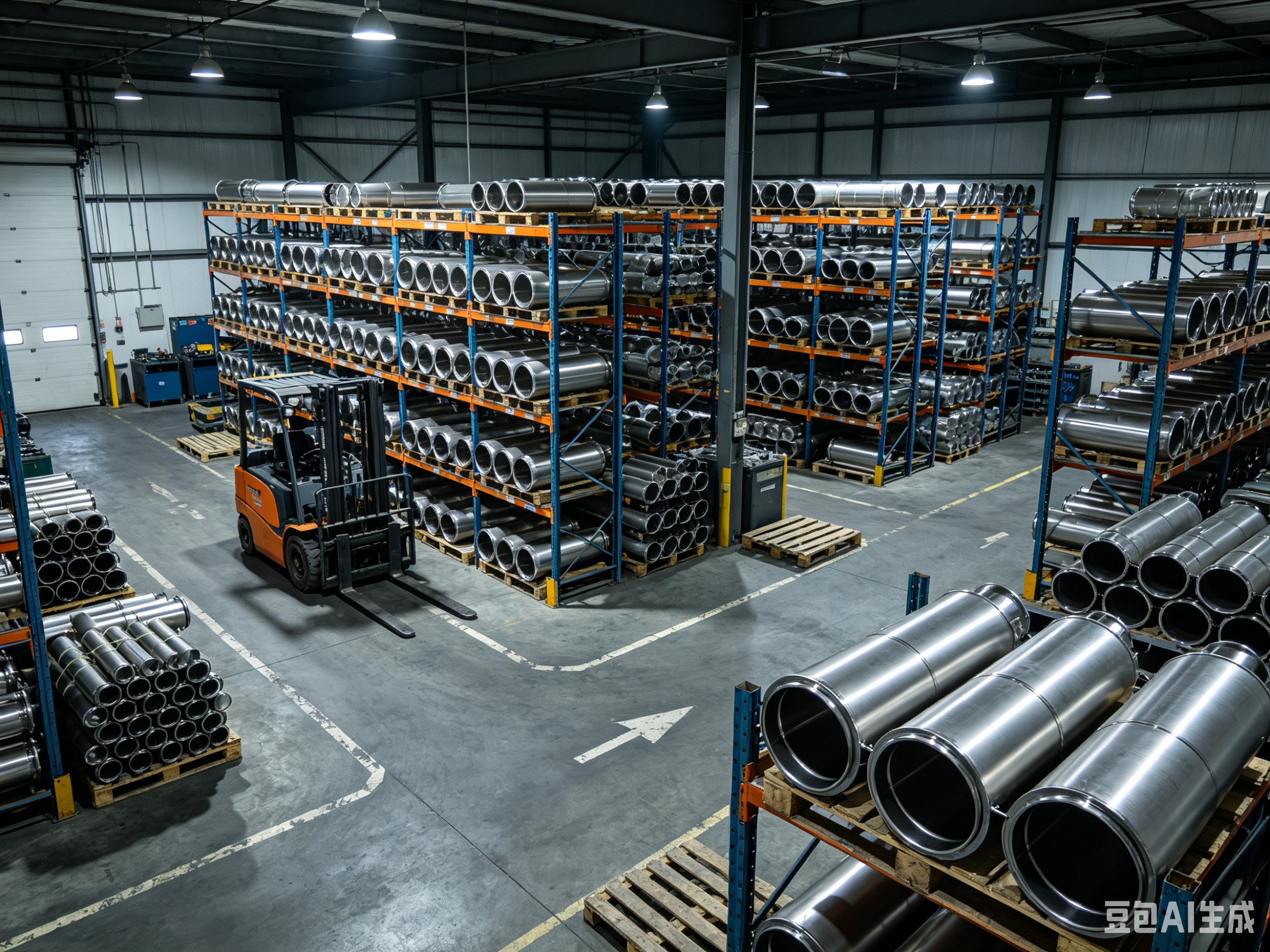
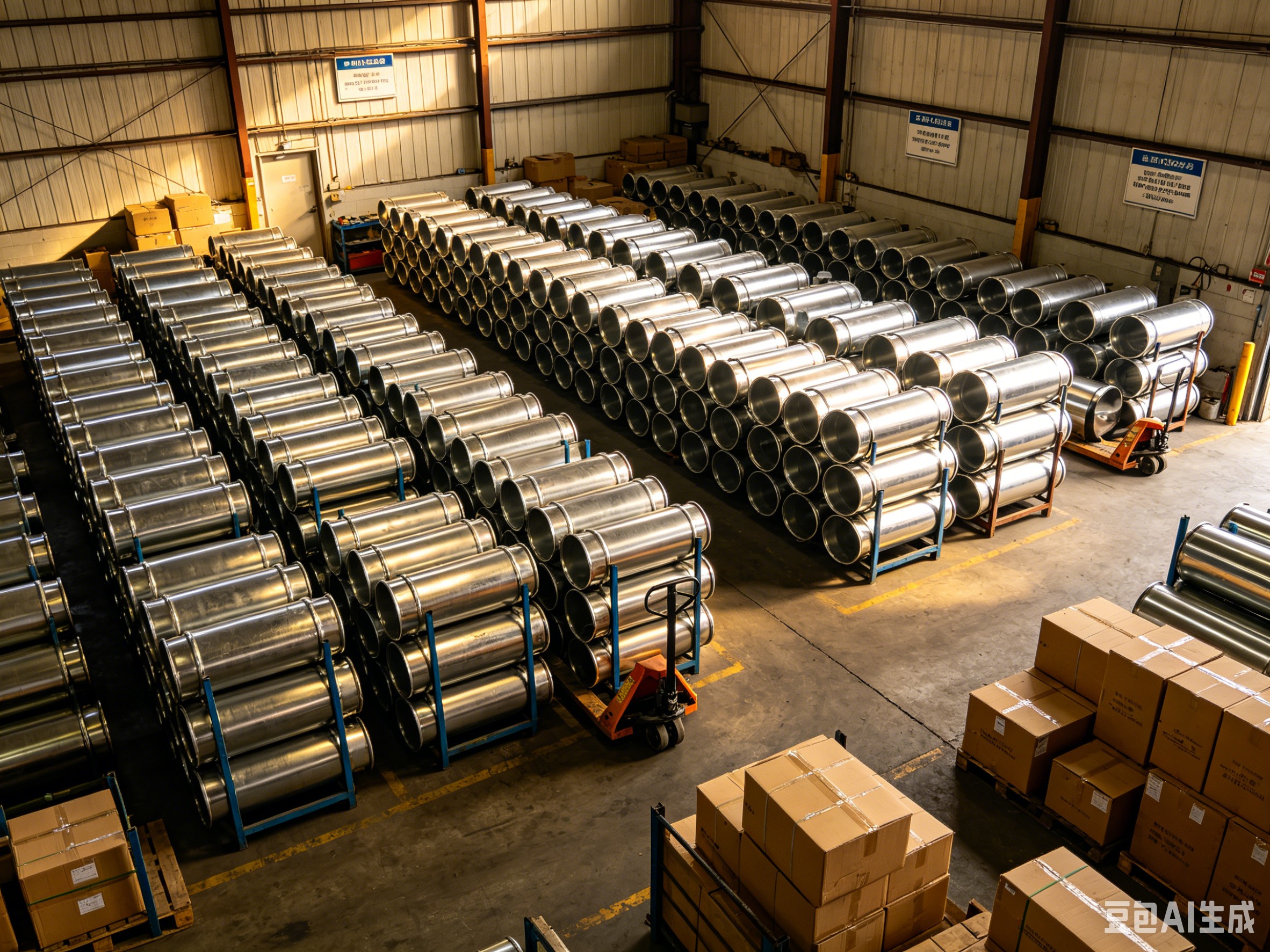
Production capacity
Customization capability
Packaging
Export experience
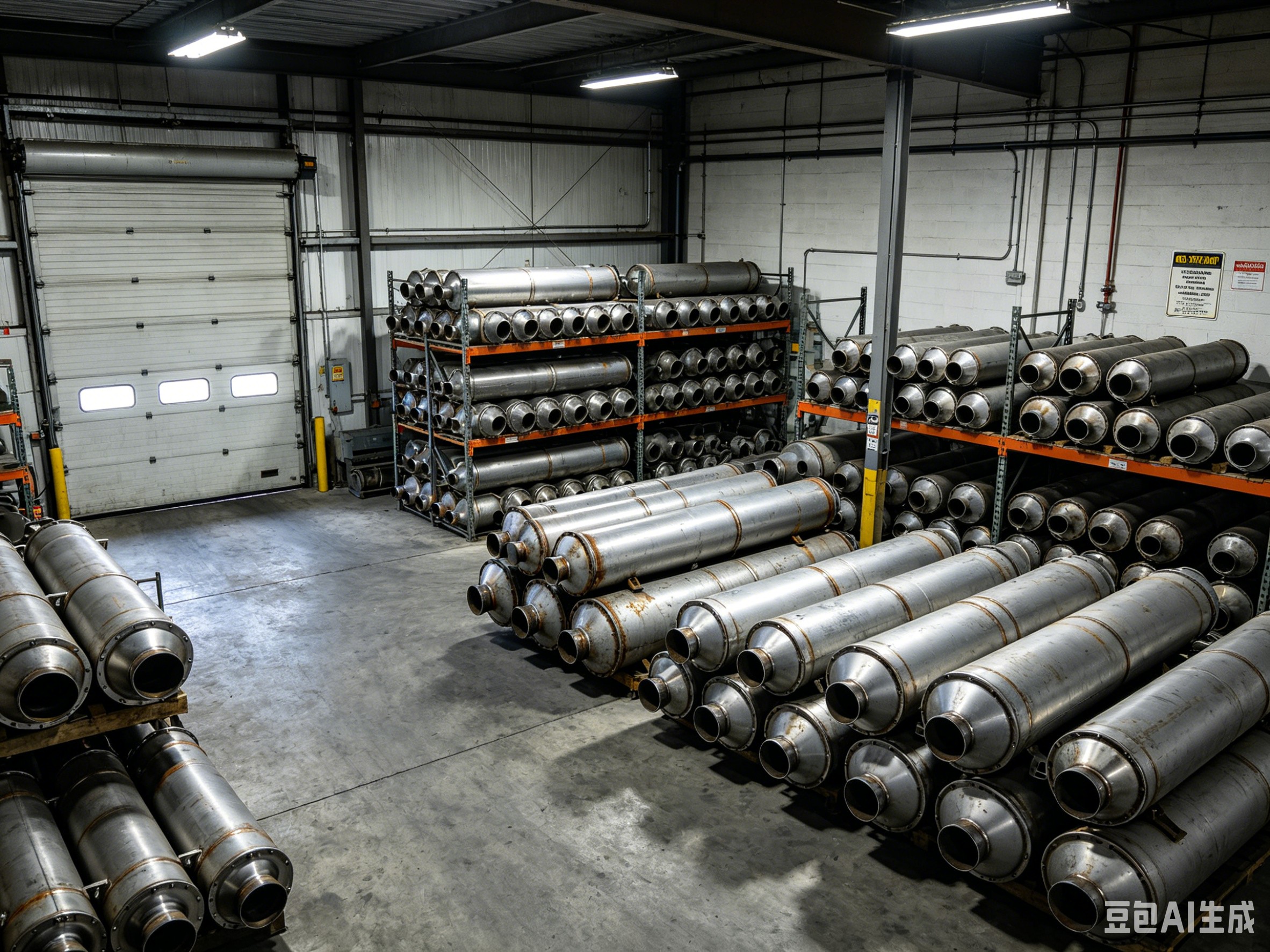
A supplier that produces motorcycle mufflers together with automotive mufflers, truck mufflers, generator mufflers, construction machinery mufflers, and exhaust pipes may also be able to support customers with multiple product categories.
Motorcycle Exhaust Systems and Market Development
The motorcycle exhaust market continues to include both OEM replacement products and aftermarket components.
As motorcycle manufacturers develop new models, exhaust systems need to meet changing requirements related to noise, emissions, packaging, durability, and design.
This creates opportunities for manufacturers capable of providing both standard and customized motorcycle exhaust solutions.
For international distributors, product flexibility can be particularly valuable because different regions may have different motorcycle models and customer preferences.
Conclusion
Choosing the right motorcycle muffler requires consideration of many factors, including motorcycle type, engine size, exhaust flow, back pressure, material, dimensions, noise control, mounting configuration, and operating conditions.
A well-designed motorcycle muffler should provide reliable noise reduction while maintaining suitable exhaust flow and durability.
Stainless steel can be a useful material for applications that require corrosion resistance and long service life, while customized manufacturing can help OEM and aftermarket customers obtain products that match specific motorcycle models.
For motorcycle manufacturers, wholesalers, distributors, and aftermarket brands, working with an experienced exhaust component manufacturer can provide greater flexibility in product development and supply.
As motorcycle markets continue to evolve, demand for reliable motorcycle mufflers, exhaust pipes, stainless steel exhaust components, and customized exhaust systems will remain an important opportunity for global suppliers.
Shandong Obert Machinery Technology Co., Ltd. specializes in automotive exhaust systems and related metal parts. We manufacture mufflers, catalytic converters, exhaust pipes, and stamped components, and provide OEM & ODM services for commercial vehicle manufacturers with customized engineering solutions.