OBT
- By obert-1
- Oct 09 2026
When Should You Replace an Automotive Muffler? Key Signs and Maintenance Tips
The automotive muffler is an important part of a vehicle's exhaust system. Its primary function is to reduce exhaust noise, but it also works as part of a larger system that manages exhaust gases, temperature, vibration, and emissions-related components.
Like other vehicle components, a muffler can gradually deteriorate because of heat, moisture, road conditions, vibration, and corrosion. Identifying the signs of a damaged muffler can help vehicle owners, repair shops, distributors, and fleet operators determine when replacement may be necessary.
For international buyers, understanding common muffler problems can also help when selecting replacement exhaust components and reliable automotive muffler suppliers.
Why Does an Automotive Muffler Wear Out?
An automotive muffler operates in a difficult environment.
During normal driving, the exhaust system is exposed to high temperatures and repeated heating and cooling cycles. At the same time, the muffler may be exposed to water, road salt, dirt, mud, and other contaminants.
Continuous vibration can also place stress on the muffler body, welding points, brackets, and pipe connections.
Over time, these conditions may contribute to corrosion, cracking, deformation, or other forms of damage.
The actual service life of a muffler depends on vehicle type, driving conditions, material quality, climate, road environment, and exhaust system design.
Excessive Exhaust Noise
One of the most noticeable signs of a muffler problem is a sudden increase in exhaust noise.
A damaged muffler may produce a louder or deeper sound than normal. In some cases, unusual rattling or metallic sounds may also come from inside the muffler.
These symptoms can occur when internal components become damaged or when the muffler body develops cracks or holes.
If exhaust noise changes significantly, the complete exhaust system should be inspected to determine whether the muffler or another component is responsible.
Visible Rust or Corrosion
Surface corrosion is another common sign of exhaust system deterioration.
Small amounts of surface discoloration may not necessarily mean immediate replacement. However, severe corrosion, holes, deep rust, or weakened metal can indicate that the muffler has reached the end of its service life.
Vehicles operating in areas with high humidity, coastal conditions, or road salt may experience faster corrosion.
For these applications, corrosion-resistant materials such as stainless steel can provide advantages over conventional materials.
Exhaust Leaks
An exhaust leak may occur when a muffler body, weld, pipe connection, or joint becomes damaged.
Exhaust leaks can affect system performance and may create unusual sounds.
A damaged exhaust component should be inspected by a qualified technician, especially when the leak occurs near the vehicle cabin or other areas where exhaust gases could potentially enter.
For replacement applications, the new muffler should have accurate dimensions and suitable connection points to ensure proper installation.
Rattling and Internal Damage
A rattling sound from the muffler may indicate that an internal component has become loose or damaged.
Many mufflers contain internal chambers, perforated tubes, and other structures designed to control exhaust sound.
If these components become damaged, the muffler may no longer provide its intended acoustic performance.
A professional inspection can help determine whether the muffler can be repaired or whether complete replacement is more appropriate.
Reduced Exhaust System Performance
A damaged or poorly designed muffler can influence exhaust flow.
If internal components collapse or become severely damaged, exhaust gas flow may be restricted.
This can potentially increase exhaust back pressure and affect overall exhaust system operation.
For replacement mufflers, it is important to select a product designed for the specific vehicle and engine configuration.
The correct inlet diameter, outlet diameter, internal structure, and muffler dimensions all contribute to proper system compatibility.
Why Material Selection Matters
The material used to manufacture an automotive muffler has a major influence on durability.
Stainless steel is widely used for automotive exhaust applications because it offers good corrosion resistance and can withstand demanding temperature conditions.
Different stainless steel grades may be selected depending on the vehicle application, expected service environment, performance requirements, and target cost.
For distributors and aftermarket brands, stainless steel mufflers can be an attractive option for customers who prioritize durability and corrosion resistance.
Choosing the Correct Replacement Muffler
A replacement muffler should not be selected based only on its appearance or price.
Important factors include vehicle model, engine type, engine displacement, inlet diameter, outlet diameter, muffler dimensions, mounting position, and exhaust system configuration.
For commercial vehicles and specialty applications, additional factors such as engine load, operating hours, vibration, and working environment should also be considered.
A properly matched replacement muffler can help maintain suitable exhaust flow, noise control, and installation compatibility.
OEM and Custom Muffler Solutions
Standard replacement products are suitable for many common vehicle applications, but some customers require customized exhaust components.
OEM and ODM customers may need a muffler developed according to technical drawings, samples, vehicle specifications, or installation requirements.
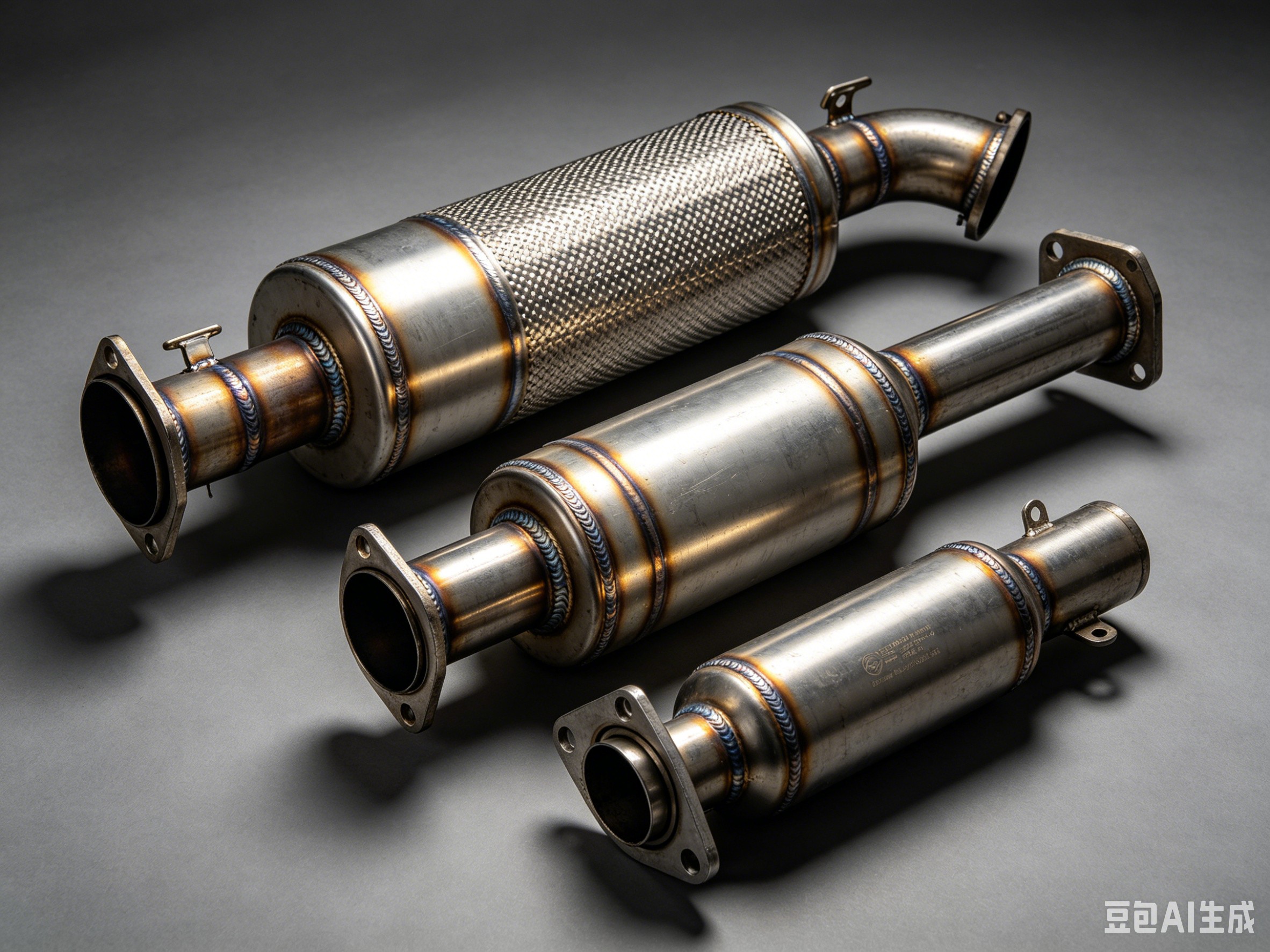
Custom automotive mufflers can be produced with different dimensions, materials, internal structures, mounting brackets, and connection configurations.
This flexibility is useful for vehicle manufacturers, fleet suppliers, aftermarket brands, wholesalers, and distributors serving specialized markets.
How Manufacturers Ensure Muffler Quality
Reliable manufacturing is essential for producing durable automotive mufflers.
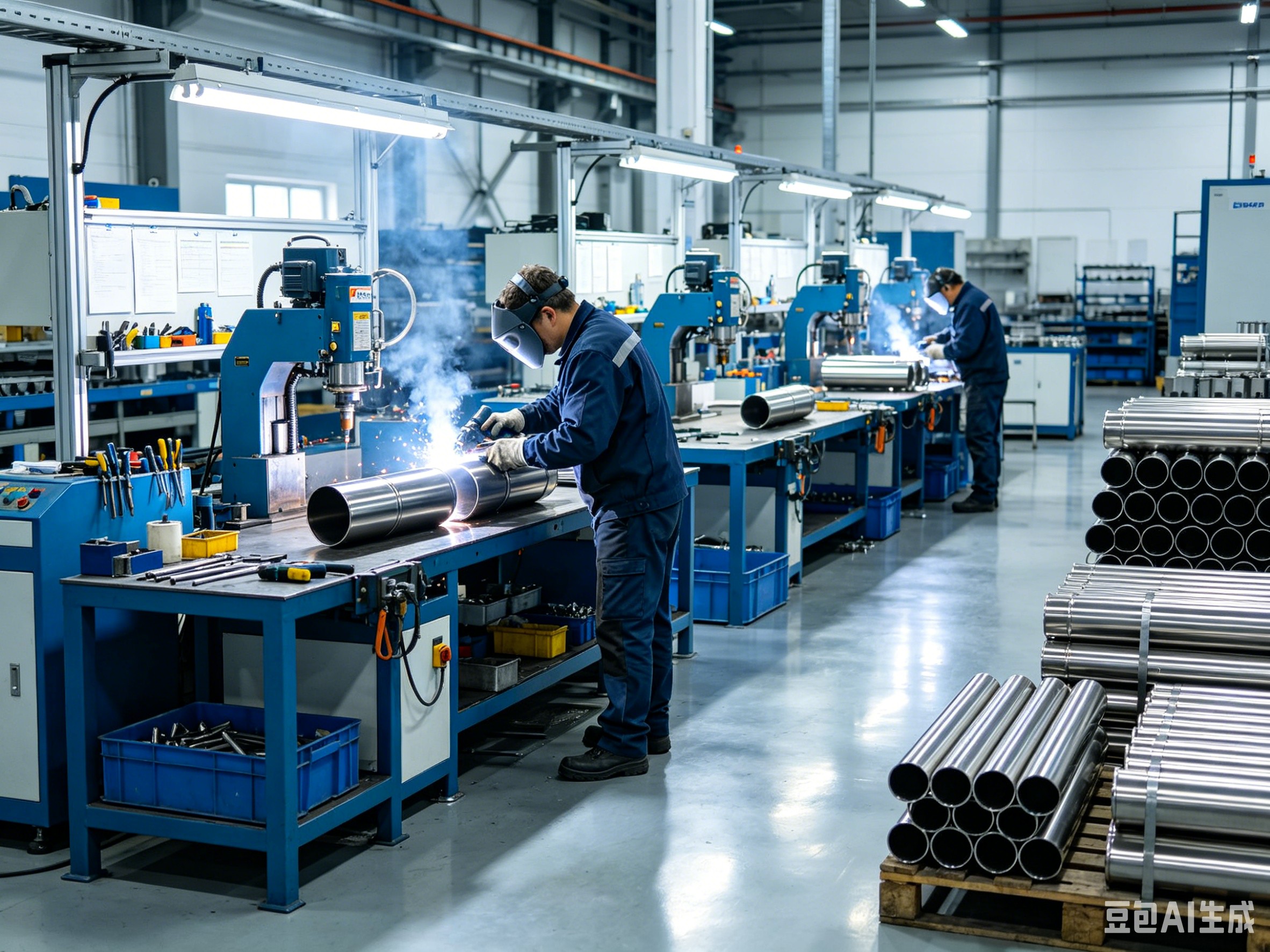
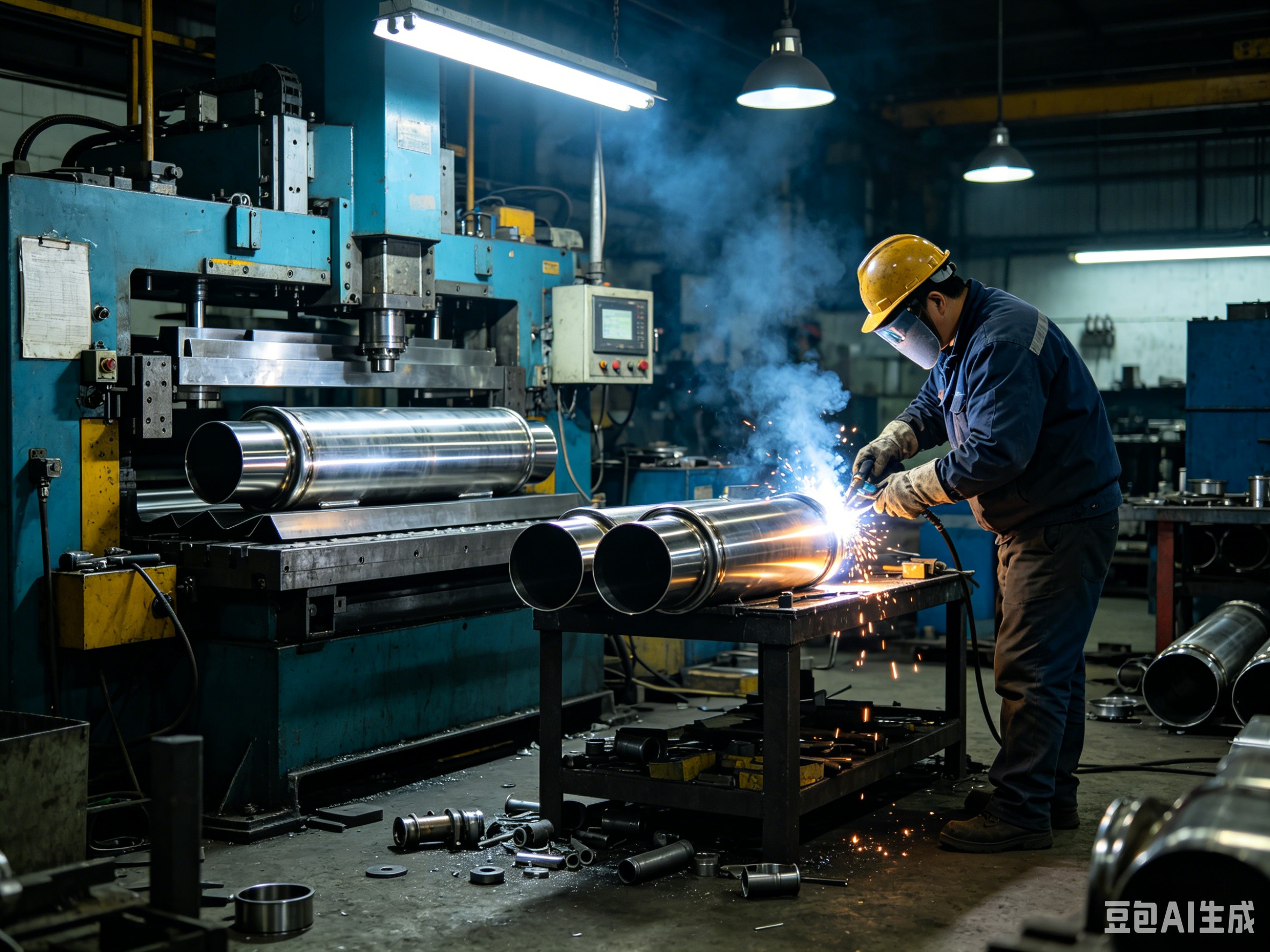
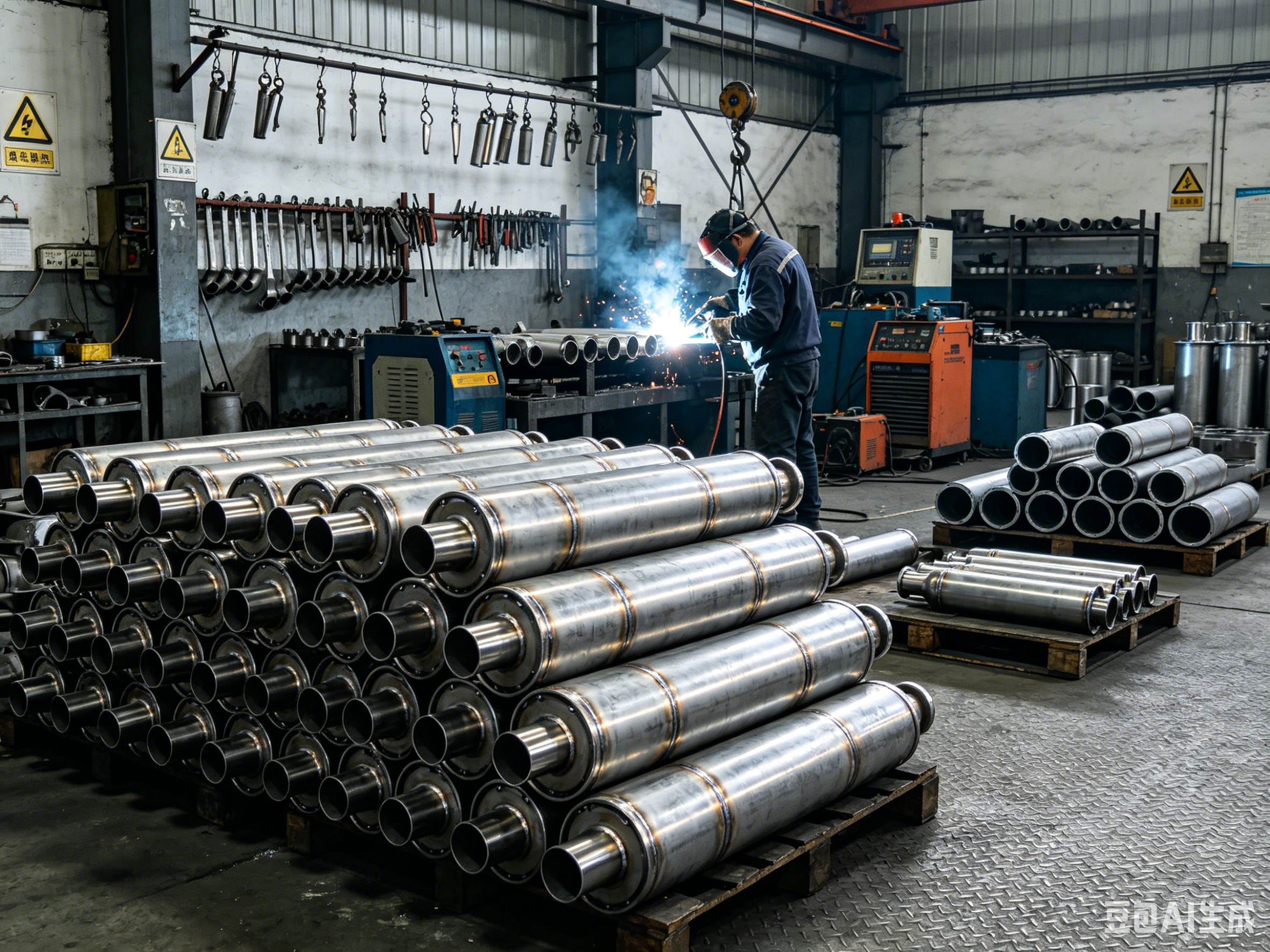
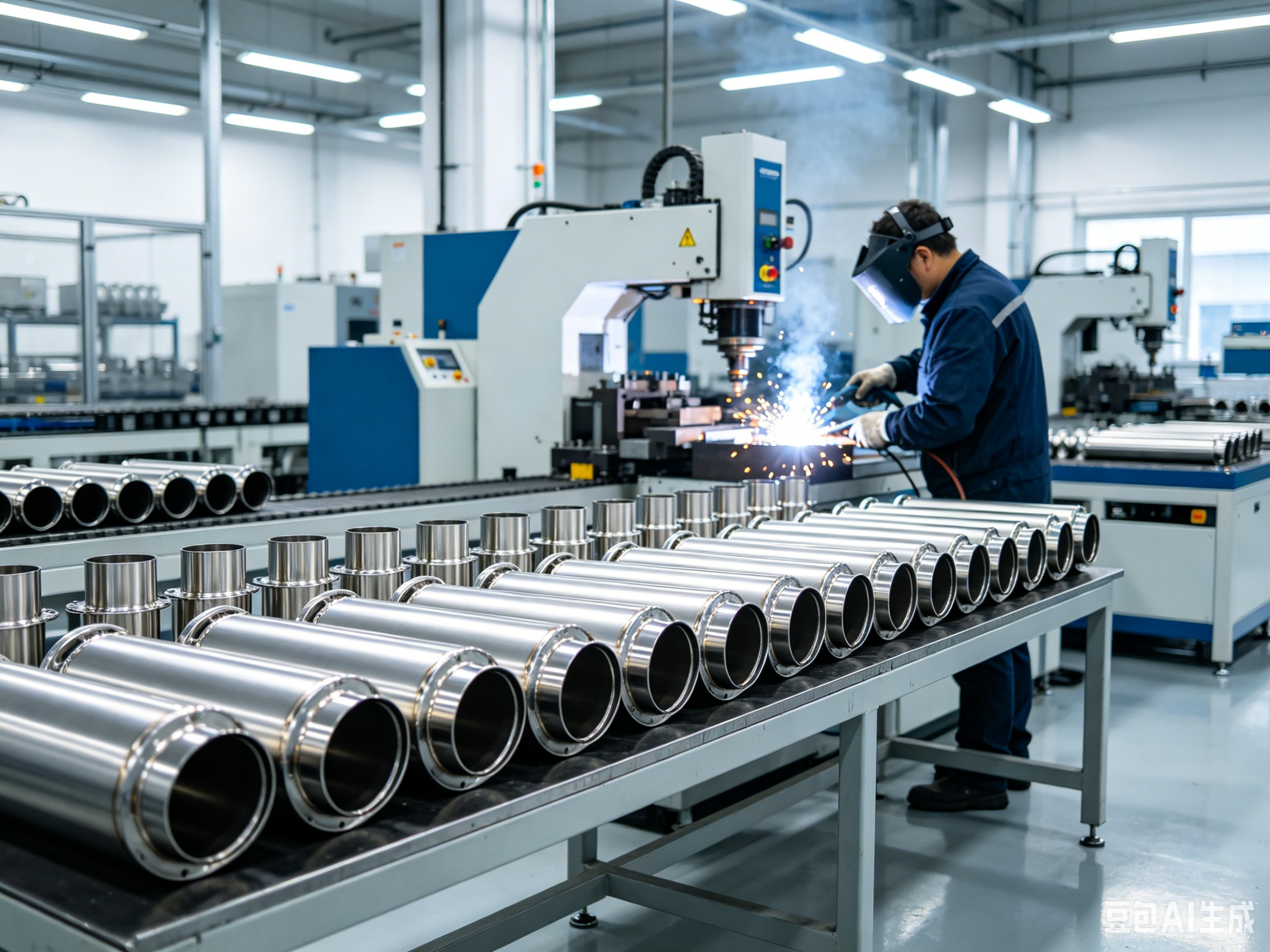
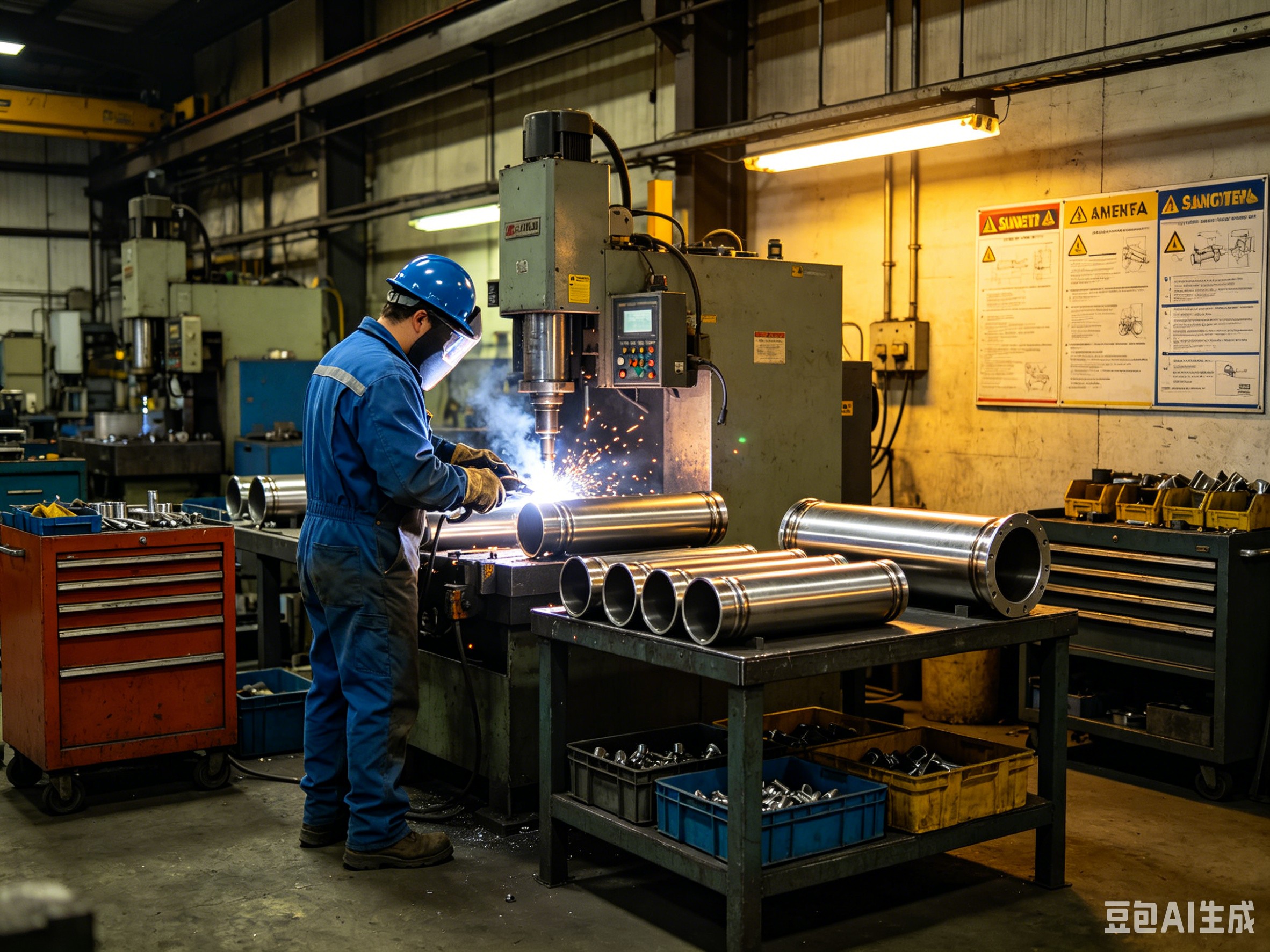
A professional manufacturer should control raw materials, tube dimensions, forming processes, welding quality, assembly accuracy, and final inspection.
Quality control can help ensure that different production batches maintain consistent dimensions and structural performance.
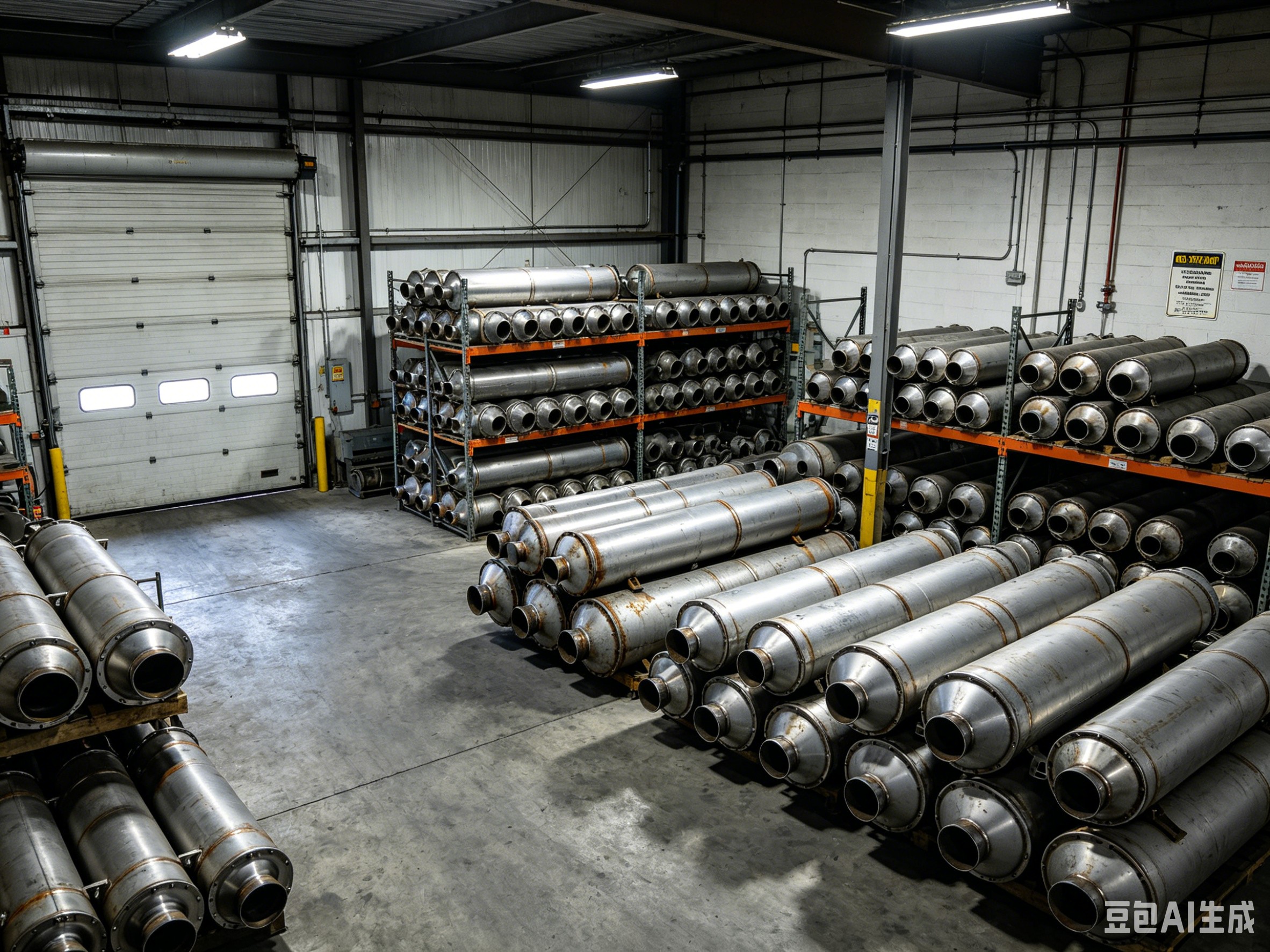
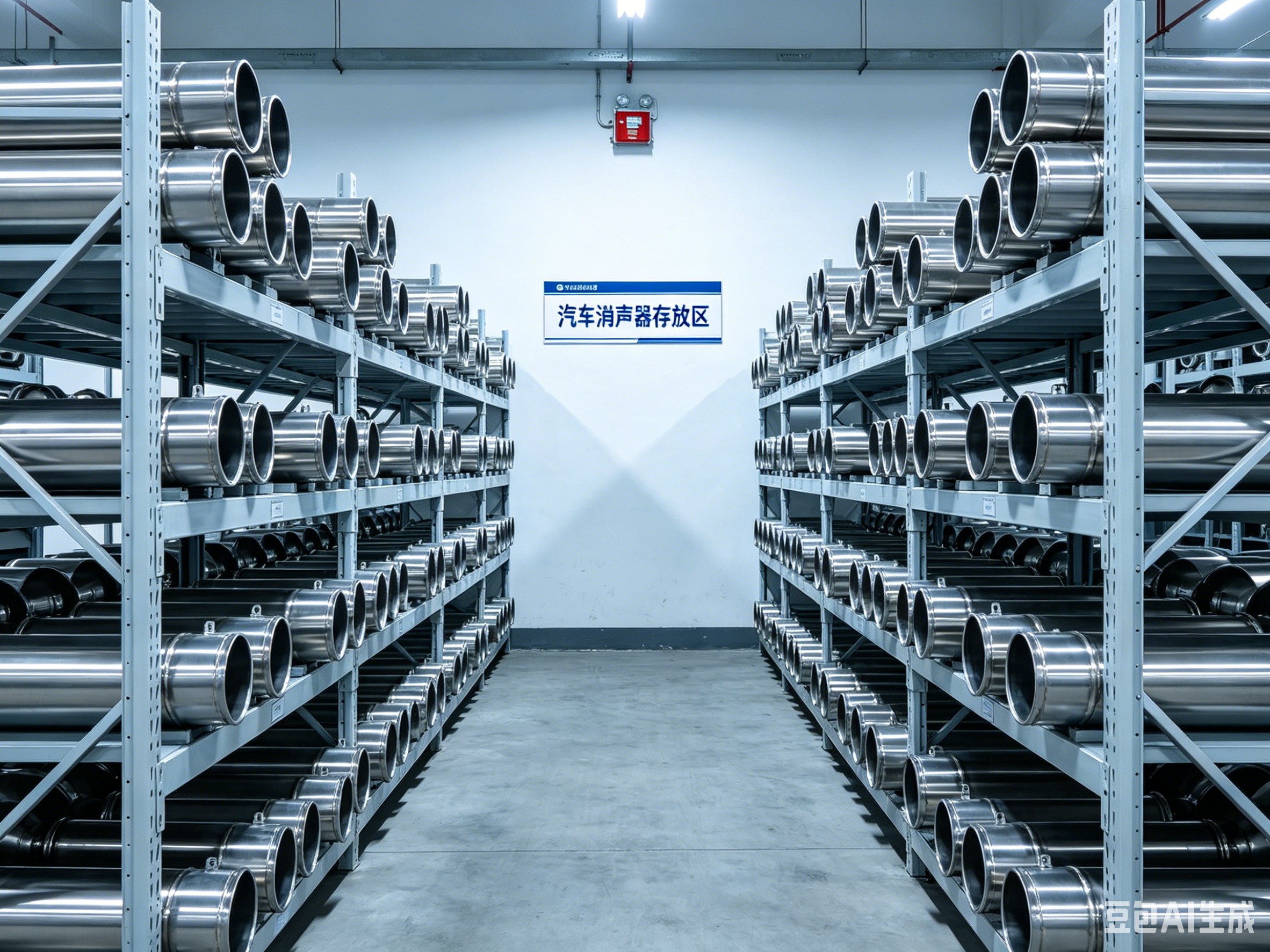
For international buyers, production capability is especially important when purchasing large quantities for OEM projects or aftermarket distribution.
A supplier with strong manufacturing experience can also provide technical support when customers need customized mufflers or complete exhaust system components.
Maintaining an Automotive Exhaust System
Regular inspection can help identify exhaust system problems before they become more serious.
Vehicle owners and fleet operators should pay attention to unusual exhaust sounds, visible corrosion, loose mounting points, damaged pipes, and changes in exhaust system condition.
Keeping the underside of a vehicle reasonably clean can also help reduce the accumulation of dirt and corrosive materials.
For commercial vehicles that operate for long hours, periodic exhaust system inspection can be particularly valuable.
Early identification of damaged components may help reduce unexpected downtime and maintenance costs.
Selecting a Reliable Muffler Supplier
For international buyers, choosing a reliable automotive muffler manufacturer is an important part of maintaining consistent product quality.
Buyers should consider manufacturing experience, material control, welding capability, production capacity, quality inspection, OEM and ODM services, customization capability, packaging, and export experience.
A manufacturer offering multiple exhaust products can also provide broader sourcing options.
For example, a supplier may produce automotive mufflers, commercial vehicle mufflers, motorcycle mufflers, generator-set mufflers, construction machinery mufflers, buffer pipes, and other exhaust system components.
Conclusion
An automotive muffler can gradually deteriorate because of high temperature, corrosion, vibration, moisture, and continuous mechanical stress.
Excessive exhaust noise, severe rust, visible damage, rattling sounds, and exhaust leaks are common signs that the exhaust system should be inspected.
When replacement is necessary, buyers should select a muffler that matches the vehicle's engine, exhaust configuration, dimensions, mounting structure, and operating conditions.
Stainless steel can provide useful corrosion resistance and durability, while OEM and custom manufacturing can help meet the requirements of specialized vehicle applications.
For repair shops, distributors, wholesalers, fleet operators, and vehicle manufacturers, working with a professional automotive muffler manufacturer can provide reliable products, consistent quality, and flexible customization options.
A properly designed and manufactured replacement muffler can help restore exhaust noise control, maintain suitable exhaust flow, and support the long-term reliability of the vehicle exhaust system.
Shandong Obert Machinery Technology Co., Ltd. specializes in automotive exhaust systems and related metal parts. We manufacture mufflers, catalytic converters, exhaust pipes, and stamped components, and provide OEM & ODM services for commercial vehicle manufacturers with customized engineering solutions.