OBT
- By obert-2
- Oct 11 2026
Key Factors in Choosing Construction Machinery Mufflers for Heavy-Duty Equipment
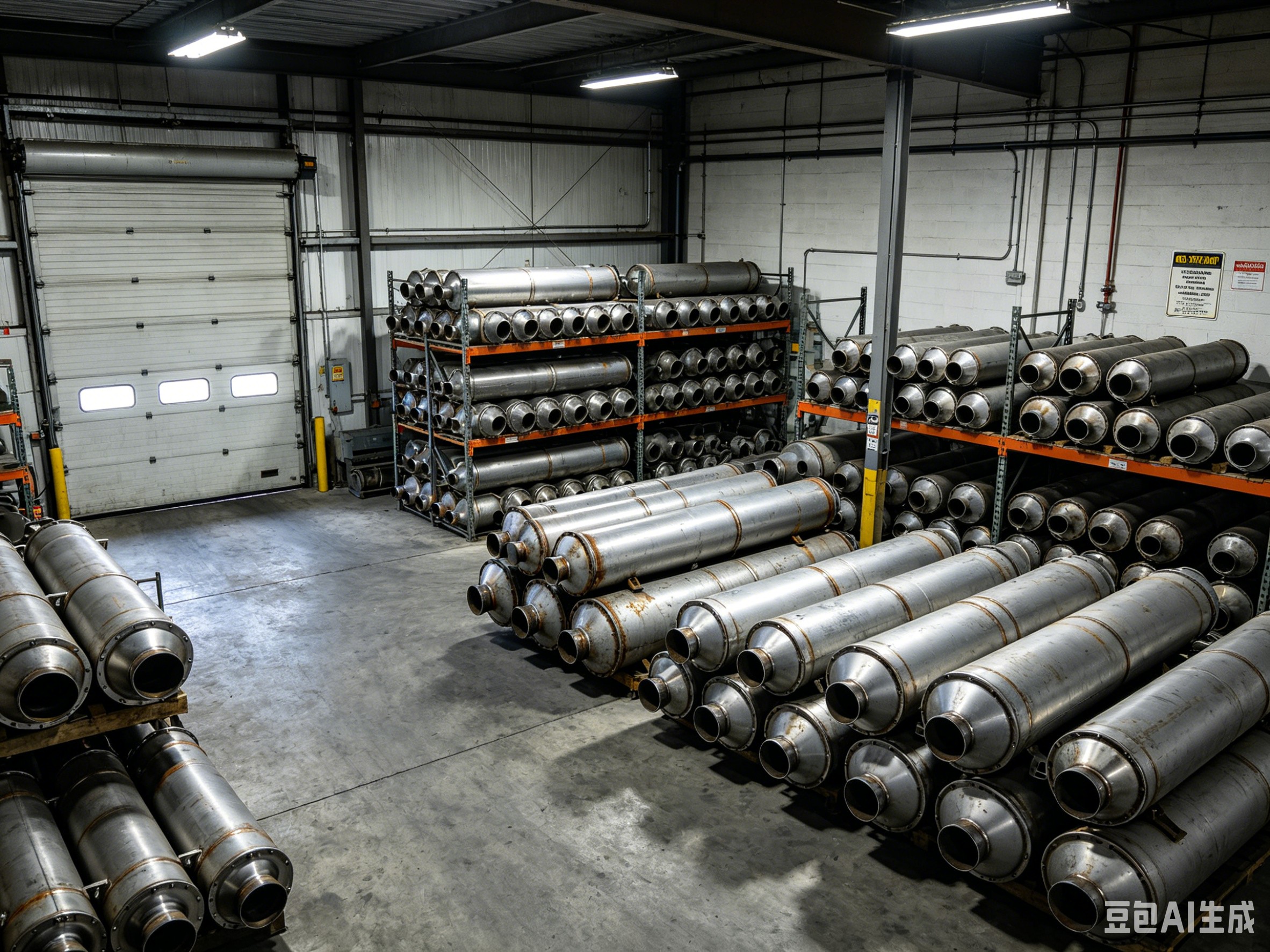
Construction machinery operates in demanding environments where exhaust components must withstand high temperatures, continuous vibration, dust, moisture, and mechanical stress. Excavators, wheel loaders, bulldozers, road rollers, and other heavy-duty machines depend on properly designed exhaust systems to manage engine exhaust and control noise.
For equipment manufacturers, replacement parts distributors, importers, and industrial machinery suppliers, choosing the right construction machinery muffler is an important purchasing decision. An unsuitable muffler may create installation difficulties, excessive exhaust restriction, premature corrosion, or structural damage during operation.
Unlike components designed for ordinary passenger vehicles, construction equipment exhaust systems often need to accommodate different engine configurations, operating conditions, and installation layouts. Understanding these differences helps buyers identify suitable products and establish reliable manufacturing partnerships.
This article explains the main technical and sourcing considerations when selecting construction machinery mufflers for heavy-duty applications.
- Understand the Operating Conditions of Construction Equipment
The first step in selecting a construction machinery muffler is understanding how and where the equipment will operate.
Excavators and wheel loaders frequently work in dusty environments and experience continuous vibration. Bulldozers and road construction machinery may operate for extended periods under heavy workloads. Compact construction equipment may have limited installation space, requiring a carefully designed exhaust layout.
These conditions influence the muffler’s structural requirements, material selection, mounting arrangement, and expected service life.
When evaluating a product, buyers should consider the following factors:
Engine type and rated power
Expected operating hours
Exhaust gas temperature and flow rate
Ambient temperature and environmental exposure
Machine vibration and mechanical loading
Available installation space
Required noise reduction performance
Maintenance accessibility
For example, a muffler designed for a compact excavator may not be appropriate for a large wheel loader because the engine specifications, exhaust flow requirements, and installation dimensions can differ significantly.
Providing accurate application information allows the manufacturer to assess whether an existing product is suitable or whether a customized design is necessary.
- Select Materials for Heat Resistance and Durability
Material selection plays an important role in the performance of a heavy equipment exhaust muffler.
Construction machinery exhaust components experience repeated heating and cooling cycles. Over time, thermal expansion, vibration, moisture, and environmental contaminants can contribute to material degradation.
Carbon steel is commonly considered for applications where structural strength and cost efficiency are important. Depending on the operating environment, suitable protective coatings can help reduce corrosion and extend service life.
Stainless steel may be appropriate for applications requiring improved corrosion resistance or specific high-temperature performance characteristics. The correct grade should be selected according to actual exhaust conditions, environmental exposure, and project requirements.
Buyers should also examine the materials used for internal baffles, connecting pipes, mounting brackets, and end plates. These components contribute to the overall strength and reliability of the exhaust assembly.
Material thickness is another important consideration. Insufficient thickness may increase the risk of deformation or fatigue under demanding operating conditions, while excessive material thickness can increase weight and manufacturing cost.
The best choice balances durability, weight, corrosion resistance, and budget.
When requesting a quotation, provide the intended application and operating environment rather than specifying only the external dimensions. This helps the manufacturer recommend a more appropriate material configuration.
- Evaluate Exhaust Flow and Backpressure
A construction machinery muffler must reduce exhaust noise without creating excessive resistance to the flow of exhaust gases.
Exhaust backpressure is particularly important for diesel engines used in heavy-duty equipment. Excessive restriction may negatively affect engine performance and operating efficiency.
The required muffler design depends on engine displacement, rated power, exhaust flow, operating speed, and the manufacturer’s allowable backpressure limits.
Buyers should therefore avoid selecting a muffler based solely on its external size or appearance.
A properly evaluated exhaust system should consider the complete gas flow path, including the exhaust manifold, connecting pipes, bends, muffler, and outlet.
The internal structure also influences performance. Chambers, perforated tubes, and other internal components may be arranged to achieve the required balance between acoustic attenuation and exhaust flow.
For customized projects, equipment manufacturers should provide available engine data and technical specifications. These details help the exhaust manufacturer evaluate the proposed design before production.
Where performance requirements are particularly demanding, the parties should agree on the relevant inspection or testing methods before approving the product.
- Design for Vibration and Mechanical Stress
Construction machinery operates under conditions that can place considerable mechanical stress on exhaust components.
Engines generate vibration, while equipment movement and uneven working surfaces may introduce additional mechanical loads. Poorly designed mounting brackets, weak welds, or inadequate support can contribute to cracking and premature component failure.
A reliable construction machinery muffler should therefore be evaluated as part of the complete exhaust assembly rather than as an isolated component.
Important design considerations include mounting bracket position, bracket thickness, weld quality, connection strength, and support arrangements.
The exhaust system should also accommodate thermal expansion during engine operation. Depending on the equipment design, suitable flexible connections or other vibration-management measures may be required.
For OEM projects, it is helpful to provide the manufacturer with installation drawings or a physical sample showing the available mounting points and surrounding components.
This information can reduce the likelihood of interference with engine covers, hydraulic lines, electrical wiring, or other machine structures.
Before approving mass production, buyers should confirm that the muffler’s dimensions and mounting configuration match the intended equipment.
- Consider Noise Control and Installation Space
Noise management is another important function of construction machinery mufflers.
Heavy equipment often operates near workers, residential areas, industrial facilities, or public infrastructure. Appropriate exhaust silencing can help control one source of machine noise.
However, muffler selection involves more than choosing the product with the greatest possible noise reduction.
Different internal structures and overall dimensions produce different acoustic characteristics and exhaust flow behavior. A larger muffler may provide more design flexibility, but the machine’s available installation space may limit its size.
Buyers should identify the required noise performance, maximum dimensions, inlet and outlet positions, and exhaust direction before choosing a product.
It is also important to distinguish exhaust noise from total machine noise. Engine operation, cooling fans, hydraulic systems, and mechanical movement can all contribute to the overall sound level.
Consequently, the performance of a muffler should be evaluated in the context of the complete machine.
For equipment intended for specific export markets, buyers should also verify applicable noise regulations and engine exhaust requirements before finalizing the specification.
- Why OEM and ODM Customization Matters
Standard mufflers can meet many general requirements, but construction equipment manufacturers often need products tailored to particular machine models.
OEM manufacturing is suitable when the customer already has established drawings, dimensions, material specifications, or product samples. The manufacturer produces the muffler according to the agreed technical requirements.
ODM cooperation may be appropriate when the customer needs assistance developing a product based on an application concept or preliminary design.
Depending on the project, customization may include:
Muffler body dimensions and shape
Inlet and outlet diameters
Connecting pipe configurations
Mounting bracket positions
Material grades and thicknesses
Internal chamber arrangements
Surface treatments and protective coatings
Product labels and packaging
For example, a machinery manufacturer developing a new wheel loader may need a muffler that fits a restricted engine compartment while meeting specified exhaust flow and noise requirements.
A customized solution can help align the exhaust component with the machine’s overall design.
Shandong Obert Machinery Technology Co., Ltd. provides mufflers and related exhaust system components for different industrial and vehicle applications. For construction machinery projects, buyers can discuss their drawings, samples, dimensions, and application requirements with the manufacturing team to evaluate suitable OEM or ODM solutions.
- How to Source Construction Machinery Mufflers Successfully
International buyers should evaluate more than the quoted unit price when selecting a construction machinery muffler supplier.
Product consistency, technical communication, manufacturing flexibility, and inspection arrangements all influence long-term purchasing results.
Before placing an order, consider the following practical steps.
First, prepare a complete technical specification, including dimensions, material requirements, connection details, and the intended machine application.
Second, request a sample or dimensional confirmation when product compatibility is critical. This is particularly useful for replacement parts and customized assemblies.
Third, clarify the inspection requirements. Depending on the application, these may include dimensional checks, visual inspection, weld quality assessment, and other agreed verification procedures.
Fourth, confirm the commercial details, including minimum order quantity, production lead time, packaging, shipping arrangements, and documentation.
Finally, establish a clear process for handling specification changes and repeat orders. Consistent drawings and approved samples help reduce the risk of receiving products that differ from previously accepted batches.
For distributors and wholesalers, these steps can also make inventory planning easier by improving product identification and compatibility management.
Conclusion
Choosing the right construction machinery muffler requires a thorough understanding of operating conditions, material durability, exhaust flow, vibration resistance, noise control, and installation requirements.
For heavy equipment manufacturers and international parts buyers, a suitable muffler should meet the machine’s technical specifications while providing dependable performance under demanding working conditions.
Shandong Obert Machinery Technology Co., Ltd. specializes in automotive exhaust systems and related metal parts. We manufacture mufflers, catalytic converters, exhaust pipes, and stamped components, and provide OEM & ODM services for commercial vehicle manufacturers with customized engineering solutions.