OBT
- By obert-2
- Oct 11 2026
How to Choose the Right Motorcycle Muffler for Performance, Durability, and Noise Control
Motorcycle mufflers are important components of an exhaust system, influencing exhaust noise, gas flow, installation compatibility, and the overall riding experience. For motorcycle manufacturers, aftermarket parts distributors, wholesalers, and importers, selecting the right motorcycle muffler requires more than comparing prices or appearance.
Different motorcycles have different engine configurations, exhaust layouts, operating speeds, and installation requirements. A muffler designed for one motorcycle model may not provide the correct fit or performance when installed on another. Material quality, internal structure, manufacturing precision, and environmental resistance also affect the product’s long-term reliability.
For businesses sourcing motorcycle exhaust components, understanding these factors can help reduce purchasing risks and identify suitable suppliers for long-term cooperation.
This guide explains the key considerations when selecting motorcycle mufflers for OEM production, aftermarket distribution, and customized exhaust projects.
- Match the Muffler to the Motorcycle Model
Compatibility should be the first consideration when selecting a motorcycle muffler.
Motorcycles vary considerably in engine displacement, cylinder configuration, exhaust routing, and available installation space. Small commuter motorcycles, touring motorcycles, sport motorcycles, and off-road motorcycles may require different muffler dimensions and structural designs.
Before purchasing, buyers should confirm several technical details, including the motorcycle model, engine specifications, exhaust pipe diameter, inlet connection, overall muffler length, mounting position, and outlet direction.
These measurements are particularly important for aftermarket replacement products. Even a small difference in mounting bracket position or inlet dimensions may prevent a muffler from fitting correctly.
For OEM projects, buyers should provide engineering drawings, approved samples, or detailed dimensional specifications whenever possible. These documents give the manufacturer a clear reference for production and inspection.
For distributors serving multiple motorcycle models, maintaining accurate product specifications can also simplify inventory management and reduce compatibility-related returns.
A suitable motorcycle muffler should fit the intended application without requiring unplanned modifications to the exhaust system.
- Understand the Relationship Between Exhaust Flow and Engine Performance
A motorcycle muffler must control exhaust noise while allowing exhaust gases to flow appropriately.
Its internal structure affects both sound attenuation and exhaust resistance. Depending on the design, manufacturers may use chambers, perforated tubes, sound-absorbing materials, or combinations of these elements.
A poorly matched muffler can introduce excessive exhaust restriction or alter the engine’s exhaust characteristics. However, reducing restriction does not automatically improve performance in every application. Engine performance depends on the complete exhaust design, engine configuration, and operating conditions.
Buyers should therefore avoid selecting products based solely on claims about increased horsepower or improved fuel economy.
For motorcycle manufacturers, the preferred muffler design should match the engine’s requirements and the intended vehicle application.
For aftermarket distributors, it is equally important to verify that the product is appropriate for the specified motorcycle model and complies with applicable noise and emissions requirements.
When evaluating a customized product, request relevant technical information and clarify how performance will be assessed. Where necessary, testing should be conducted using agreed procedures and suitable equipment.
- Select Materials for Durability and Appearance
Material selection directly affects a motorcycle muffler’s weight, corrosion resistance, appearance, and manufacturing cost.
Motorcycle exhaust systems are exposed to high temperatures, rainwater, road contaminants, vibration, and repeated heating and cooling cycles. Products used in humid or coastal environments may face additional corrosion challenges.
Stainless steel is frequently considered for motorcycle mufflers because of its corrosion resistance and clean appearance. The appropriate grade depends on the operating environment, temperature exposure, and project requirements.
Carbon steel can be an economical option for applications where structural strength and cost control are priorities. Suitable surface treatments may help improve corrosion resistance, although their effectiveness depends on the coating system and actual operating conditions.
Aluminum may be used in certain muffler outer sleeves or decorative components when weight and appearance are important. Its suitability depends on the component’s temperature exposure and structural requirements.
Buyers should also consider the materials used for internal tubes, baffles, end caps, and mounting brackets. The entire assembly must withstand its intended operating conditions.
When requesting quotations, specify material grade, thickness, surface finish, and expected application. This allows suppliers to evaluate the most appropriate manufacturing solution instead of quoting products that may differ significantly in quality.
- Evaluate Internal Structure and Noise Control
Noise reduction is a major consideration when choosing a motorcycle muffler.
Different designs produce different acoustic characteristics. Some rely primarily on internal chambers and changes in gas flow direction, while others incorporate sound-absorbing materials to reduce selected sound frequencies.
The appropriate structure depends on the engine, required sound characteristics, available space, and applicable regulations.
For motorcycle manufacturers, the muffler must integrate with the complete exhaust system while meeting the project’s acoustic and technical requirements.
For aftermarket buyers, it is important to distinguish between a product’s sound characteristics and its compliance with local requirements. A louder exhaust is not necessarily a better-performing exhaust, and a product suitable for one market may not be legal for road use in another.
Buyers should verify any required noise limits, emissions-related restrictions, and vehicle approval requirements before placing large orders.
Manufacturers should not be expected to guarantee a specific overall motorcycle sound level based on the muffler alone. Engine characteristics, exhaust connections, installation, and testing conditions also influence the final result.
Clear performance specifications help both parties establish realistic expectations.
- Consider Manufacturing Quality and Installation Details
A motorcycle muffler must maintain consistent dimensions and reliable connections throughout production.
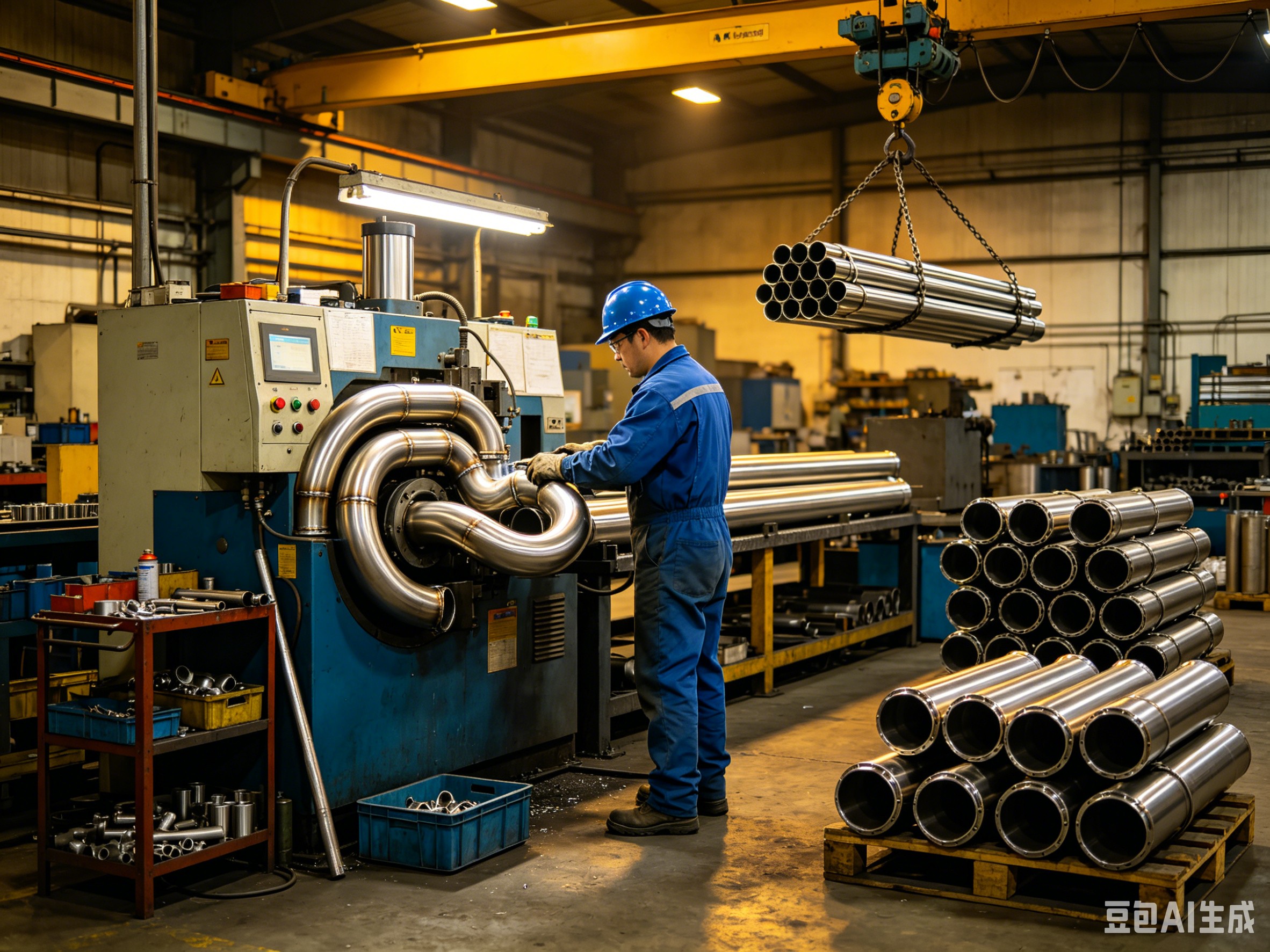
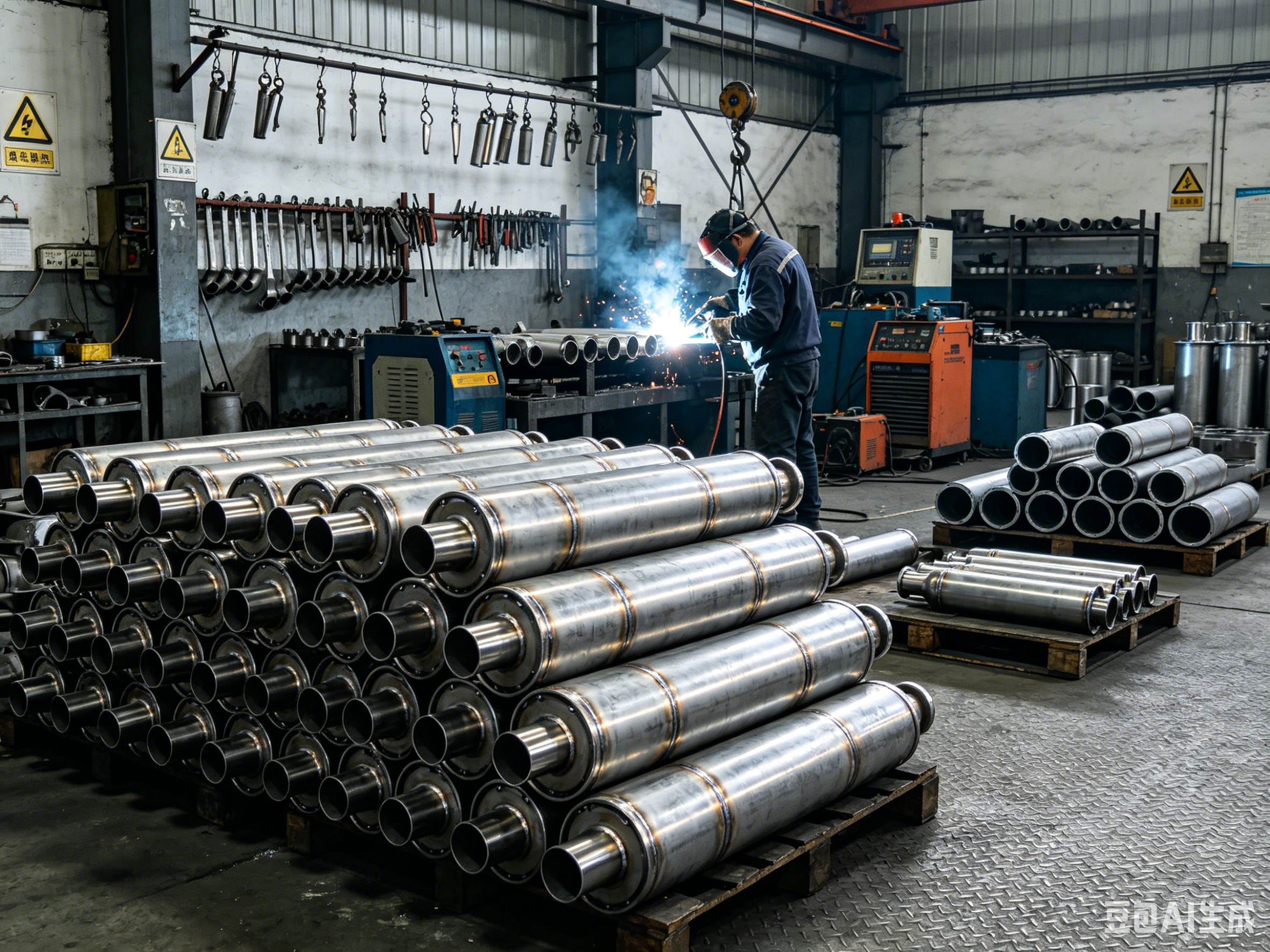
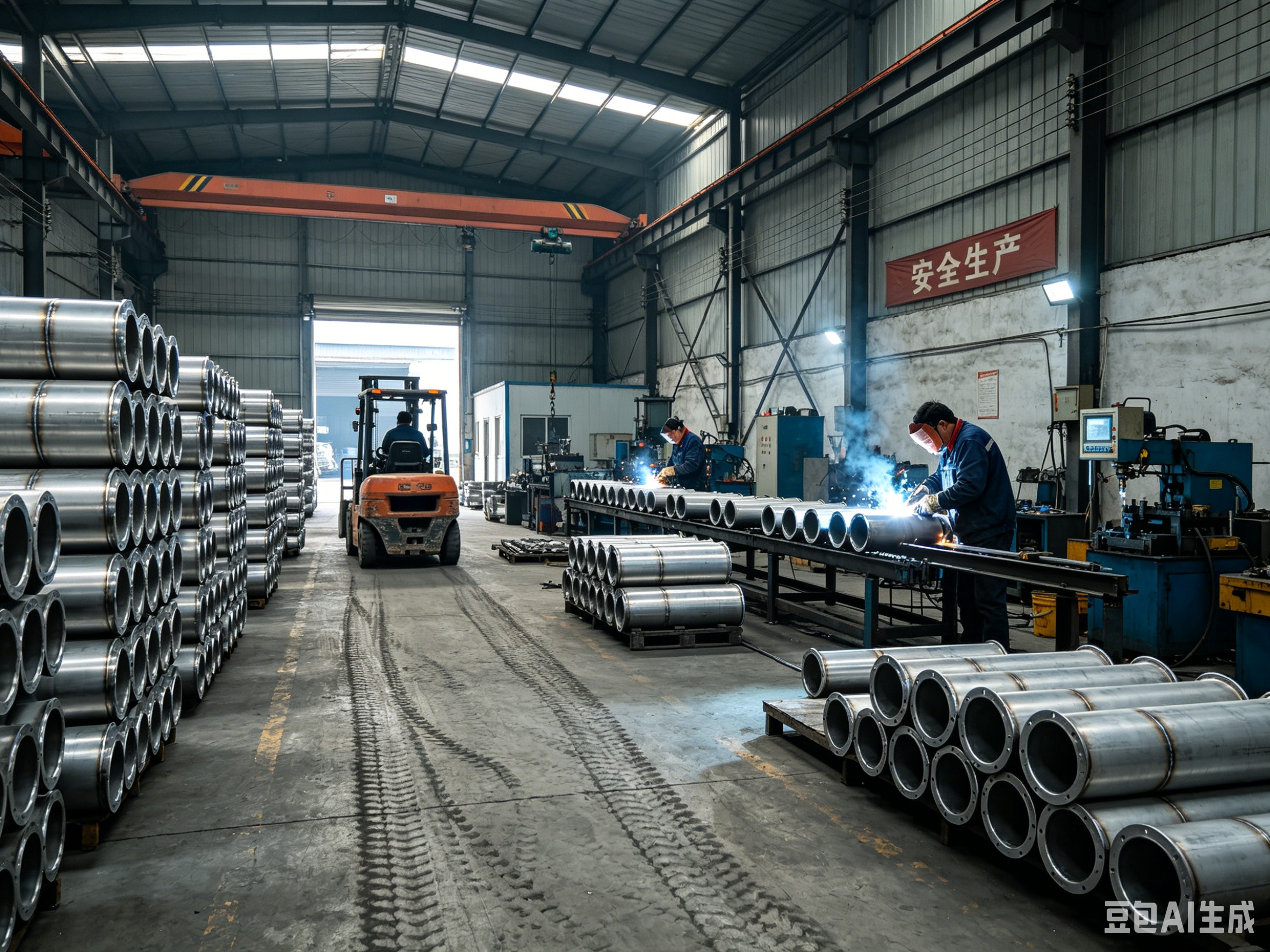
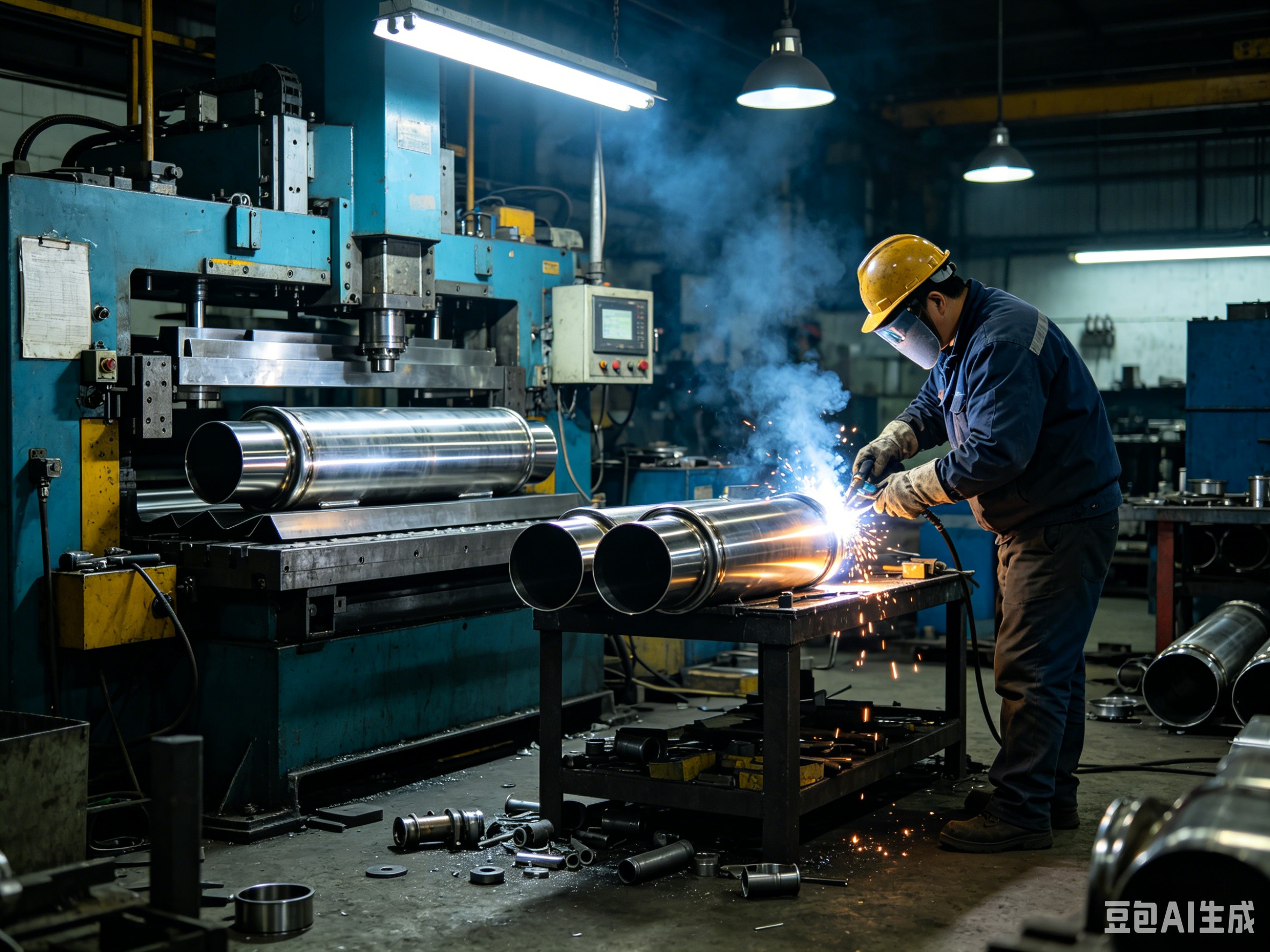
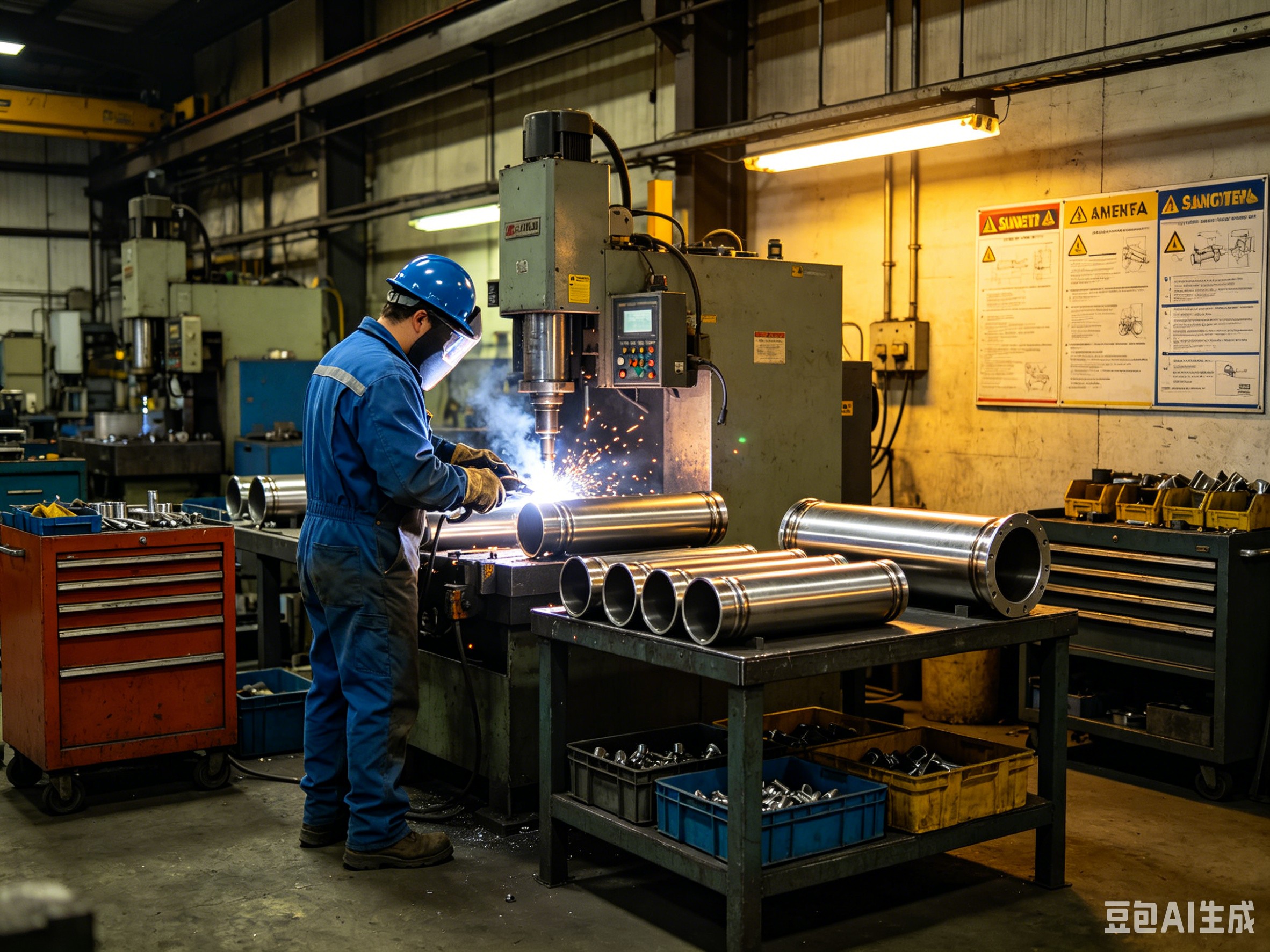
Manufacturing quality can affect product fitment, structural integrity, appearance, and service life. Important details include cutting accuracy, forming quality, weld consistency, connection dimensions, and mounting bracket alignment.
Poorly aligned connections may complicate installation, while inadequate welding or unsuitable materials can increase the risk of premature failure.
For B2B buyers, it is useful to establish inspection requirements before production begins. Depending on the project, these may include dimensional inspection, visual examination, weld assessment, material verification, and checks against an approved sample.
Surface finish is another important consideration, especially for aftermarket products sold directly to motorcycle owners. Consistent polishing, coating quality, and packaging can influence the product’s perceived value.
Buyers should also confirm whether the muffler is supplied as an individual component or as part of a more complete exhaust assembly. This helps prevent misunderstandings about included pipes, clamps, brackets, and accessories.
- Explore OEM and ODM Motorcycle Muffler Customization
Standard motorcycle mufflers may be suitable for common applications, but motorcycle manufacturers and private-label brands often require customized designs.
OEM manufacturing allows buyers to produce mufflers according to established drawings, samples, and technical specifications. ODM cooperation may be suitable when buyers need assistance developing a product based on application requirements.
Depending on the project, customization can include muffler dimensions, inlet and outlet configurations, mounting brackets, materials, surface finishes, internal structures, product labels, and packaging.
For example, an aftermarket brand may require a specific muffler length and polished finish to match its product range. A motorcycle manufacturer may instead prioritize precise installation dimensions, consistent production quality, and compatibility with a particular engine platform.
These projects require clear communication between the buyer and manufacturer.
Before confirming an order, buyers should agree on drawings, tolerances, material specifications, sample approval, inspection procedures, order quantities, and production schedules.
Shandong Obert Machinery Technology Co., Ltd. manufactures mufflers and related exhaust components for different vehicle and equipment applications. Buyers interested in motorcycle mufflers can discuss their product drawings, samples, and customization requirements with the company to evaluate suitable manufacturing options.
- How to Choose a Reliable Motorcycle Muffler Supplier
Selecting a supplier is an important part of building a sustainable motorcycle parts business.
A competitive quotation is valuable, but it should be evaluated alongside product consistency, manufacturing capabilities, technical communication, and delivery arrangements.
Before placing an order, buyers should ask whether the manufacturer can work with technical drawings, accommodate the required material specifications, produce samples, and maintain consistent dimensions across repeat orders.
It is also important to clarify minimum order quantities, packaging requirements, production lead times, and shipping arrangements.
For importers and distributors, packaging deserves particular attention because mufflers can be scratched or damaged during transportation. Suitable protective materials and packaging designs help preserve the product’s appearance and reduce avoidable handling problems.
For long-term OEM cooperation, maintaining approved drawings and product samples can make future orders easier to manage.
A supplier that understands the application and communicates clearly can help buyers reduce sourcing risks and develop a more consistent product portfolio.
Conclusion
Choosing the right motorcycle muffler involves evaluating compatibility, exhaust flow, material quality, noise control, manufacturing precision, and customization requirements.
For motorcycle manufacturers, aftermarket brands, importers, and wholesalers, the most suitable product is one that matches the intended application, meets relevant requirements, and offers consistent quality at an appropriate cost.
OEM and ODM manufacturing can provide additional flexibility when standard mufflers do not meet specific design or installation needs.
Shandong Obert Machinery Technology Co., Ltd. offers muffler manufacturing and exhaust component solutions for customers seeking products tailored to their technical and commercial requirements.
If you are sourcing motorcycle mufflers for OEM production, aftermarket distribution, or a private-label project, visit https://www.obertmachinery.com/ to learn more about our manufacturing capabilities. Contact our team with your drawings, product specifications, or sample requirements to discuss customization options and request a quotation for your next project.
Shandong Obert Machinery Technology Co., Ltd. specializes in automotive exhaust systems and related metal parts. We manufacture mufflers, catalytic converters, exhaust pipes, and stamped components, and provide OEM & ODM services for commercial vehicle manufacturers with customized engineering solutions.