OBT
- By obert-2
- Oct 12 2026
How to Improve Exhaust System Durability Through Proper Muffler and Component Selection
An exhaust system must withstand high temperatures, vibration, moisture, corrosion, and continuous mechanical stress throughout its service life. For commercial vehicle manufacturers, equipment producers, replacement parts distributors, and international importers, choosing reliable exhaust system components is essential for maintaining product quality and reducing maintenance costs.
Although mufflers are often the most recognizable exhaust components, the performance and durability of the complete system also depend on connecting pipes, flexible sections, mounting brackets, joints, and other supporting parts. If one component is poorly matched to the application, it can affect the reliability of the entire assembly.
Understanding the relationship between material selection, structural design, manufacturing quality, and operating conditions helps B2B buyers make better purchasing decisions. This article explains practical ways to improve exhaust system durability and select suitable components for automotive, commercial vehicle, generator, and construction machinery applications.
- Understand the Main Causes of Exhaust System Failure
Before selecting exhaust system components, buyers should understand the conditions that commonly contribute to premature failure.
Thermal cycling is one important factor. During operation, exhaust components heat up and expand. After the engine stops, they cool and contract. Repeated expansion and contraction can place stress on welds, joints, and mounting points.
Vibration is another major concern. Engine movement and equipment operation can transmit mechanical loads through exhaust pipes and brackets. If the system is inadequately supported or poorly aligned, certain areas may experience excessive stress.
Corrosion can also shorten component service life. Rainwater, road salt, humidity, and other environmental contaminants may damage exposed metal surfaces, particularly when protective coatings are unsuitable or damaged.
Finally, incorrect installation and incompatible dimensions can contribute to leakage, deformation, and premature wear.
For buyers, the first step toward a more durable exhaust system is to identify the actual operating environment rather than relying on general product descriptions. Engine specifications, expected operating hours, installation position, and maintenance conditions should all be considered during product selection. - Select Materials According to the Application
Material selection directly affects the durability, weight, corrosion resistance, and cost of exhaust system components.
Carbon steel is commonly used for mufflers and exhaust pipes where structural strength and cost efficiency are important. Depending on the operating environment, an appropriate surface treatment can help protect the material against corrosion.
Stainless steel may be suitable for applications requiring improved corrosion resistance or specific high-temperature properties. However, different stainless steel grades have different characteristics, so the correct choice depends on the actual temperature, exhaust environment, and project requirements.
For components exposed to significant vibration, material properties and thickness should be evaluated alongside the design of joints and mounting points. A material that performs well in one application may not be the most economical or appropriate choice in another.
Buyers should also consider the materials used throughout the assembly. A durable muffler body cannot compensate for unsuitable connecting pipes, weak brackets, or poorly protected joints.
When requesting a quotation, provide the manufacturer with the expected operating conditions, environmental exposure, and required service objectives. This makes it easier to compare material options based on application suitability rather than purchase price alone. - Choose a Muffler Design That Balances Noise Reduction and Exhaust Flow
The muffler is a key component of an exhaust system because it reduces exhaust noise while allowing gases to pass through the assembly.
Different muffler designs use different combinations of chambers, perforated tubes, and sound-absorbing materials. The appropriate configuration depends on the engine, exhaust flow, available installation space, and required acoustic performance.
A muffler that creates excessive exhaust restriction may negatively affect engine operation. On the other hand, selecting a design based only on low restriction may not provide the required noise attenuation.
Commercial vehicles, generator sets, motorcycles, and construction machinery can have very different requirements. For example, a generator operating near occupied buildings may require particular attention to exhaust noise, while a heavy-duty construction vehicle may place greater emphasis on mechanical durability and compatibility with its engine.
Buyers should confirm the engine manufacturer's allowable backpressure and provide the relevant exhaust specifications before selecting a muffler.
Where specific noise performance is required, testing conditions and acceptance criteria should be agreed upon in advance. Actual system noise depends on more than the muffler alone, including the engine, installation arrangement, and surrounding environment. - Reduce Vibration and Mechanical Stress
Vibration management is essential for improving exhaust system durability, especially in commercial vehicles and heavy equipment.
An exhaust assembly should be supported at appropriate locations without restricting the movement required for thermal expansion. Poorly positioned brackets can concentrate loads on individual sections of pipe or create stress around welded joints.
Flexible exhaust pipes may help accommodate movement between connected components when correctly selected and installed. Their length, construction, and movement capability should match the requirements of the application.
Mounting brackets also deserve careful attention. Their dimensions, material thickness, weld quality, and installation positions influence how mechanical loads are transferred through the exhaust system.
For OEM projects, manufacturers should review the complete installation layout rather than producing individual components without considering their connections.
Providing assembly drawings, mounting locations, and information about engine movement helps the exhaust component supplier evaluate potential interference and compatibility issues before production.
These checks can reduce installation problems and help prevent avoidable mechanical damage during operation. - Maintain Corrosion Protection and Surface Quality
Corrosion prevention is particularly important for vehicles and equipment operating outdoors or in humid environments.
The appropriate protection method depends on the base material, operating temperature, exposure conditions, and intended service life. Some applications may use protective coatings, while others may rely on the corrosion resistance of the selected material.
Buyers should confirm that the chosen surface treatment is suitable for the temperatures experienced by the component. A coating designed for ordinary environmental exposure may not be appropriate for a high-temperature exhaust location.
Manufacturing quality also influences corrosion resistance. Poorly finished edges, inconsistent coatings, and inadequately protected joints may create vulnerable areas.
During maintenance, operators should inspect exposed surfaces for rust, cracks, damaged coatings, and signs of exhaust leakage. Damaged components should be evaluated and repaired or replaced as appropriate.
For purchasing teams, clearly specifying material grades, coating requirements, and inspection criteria helps maintain consistency across production batches. - Improve Manufacturing Consistency Through OEM and ODM Cooperation
Even a well-designed exhaust component can create problems if its dimensions or material specifications vary between production batches.
Manufacturing consistency is especially important for equipment manufacturers that install exhaust systems on production lines. Differences in inlet diameter, overall length, mounting position, or bracket geometry can increase assembly time and create compatibility problems.
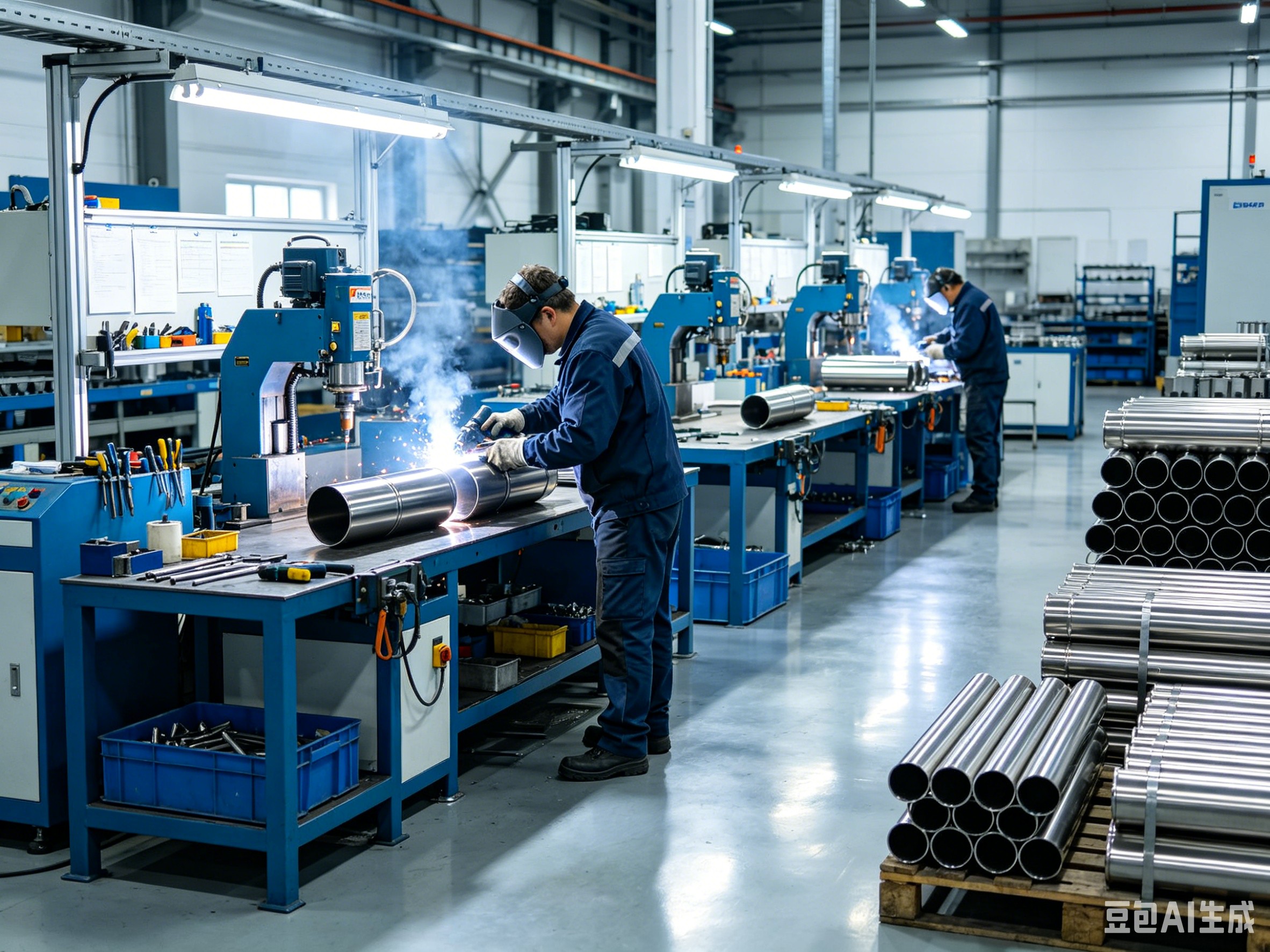
OEM manufacturing allows customers to provide established drawings, samples, and specifications for production. ODM cooperation may involve developing a suitable component based on the customer's equipment requirements.
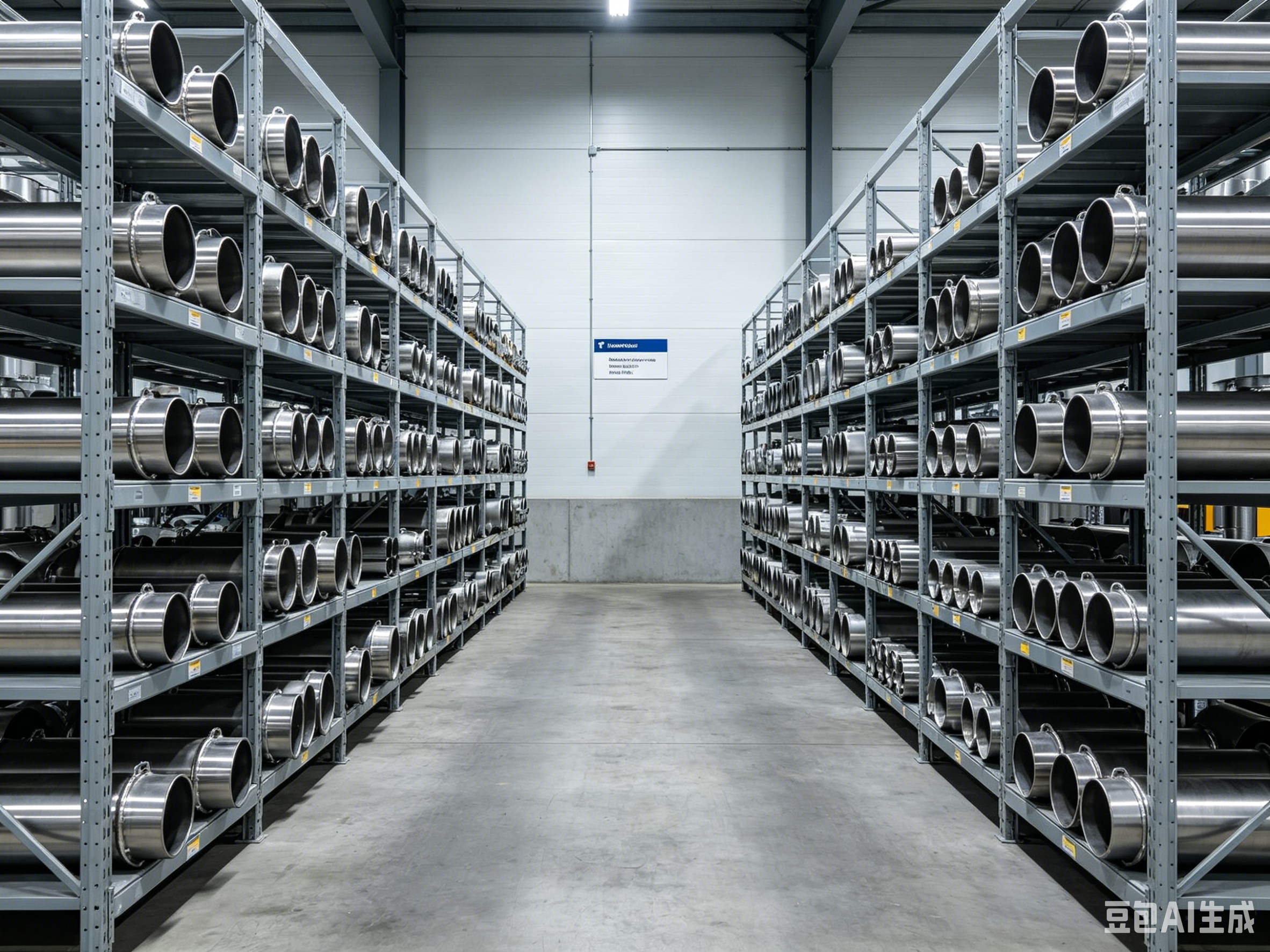
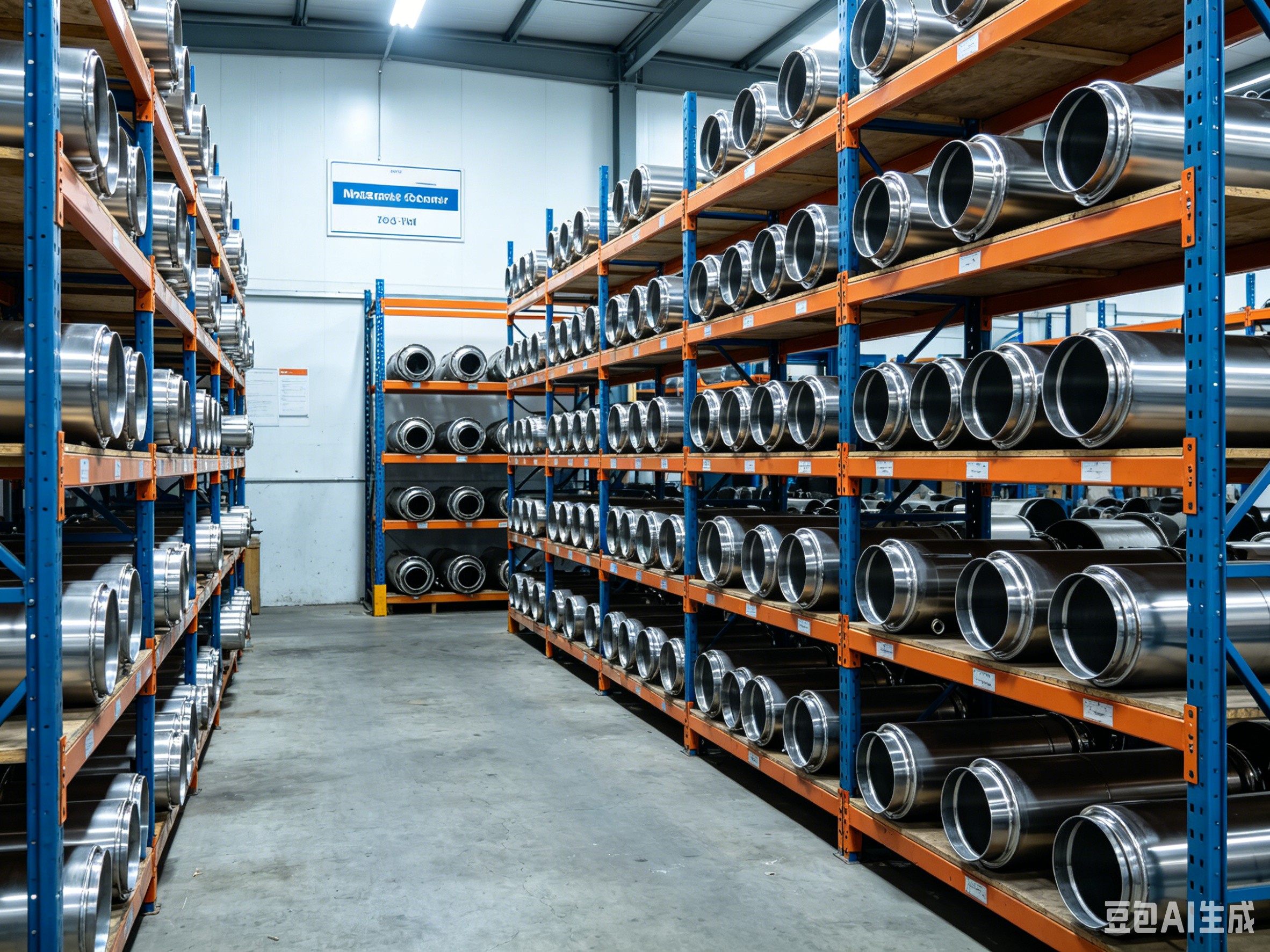
Depending on the project, customization may cover muffler dimensions, internal structure, pipe configuration, material selection, surface treatment, mounting brackets, and packaging.
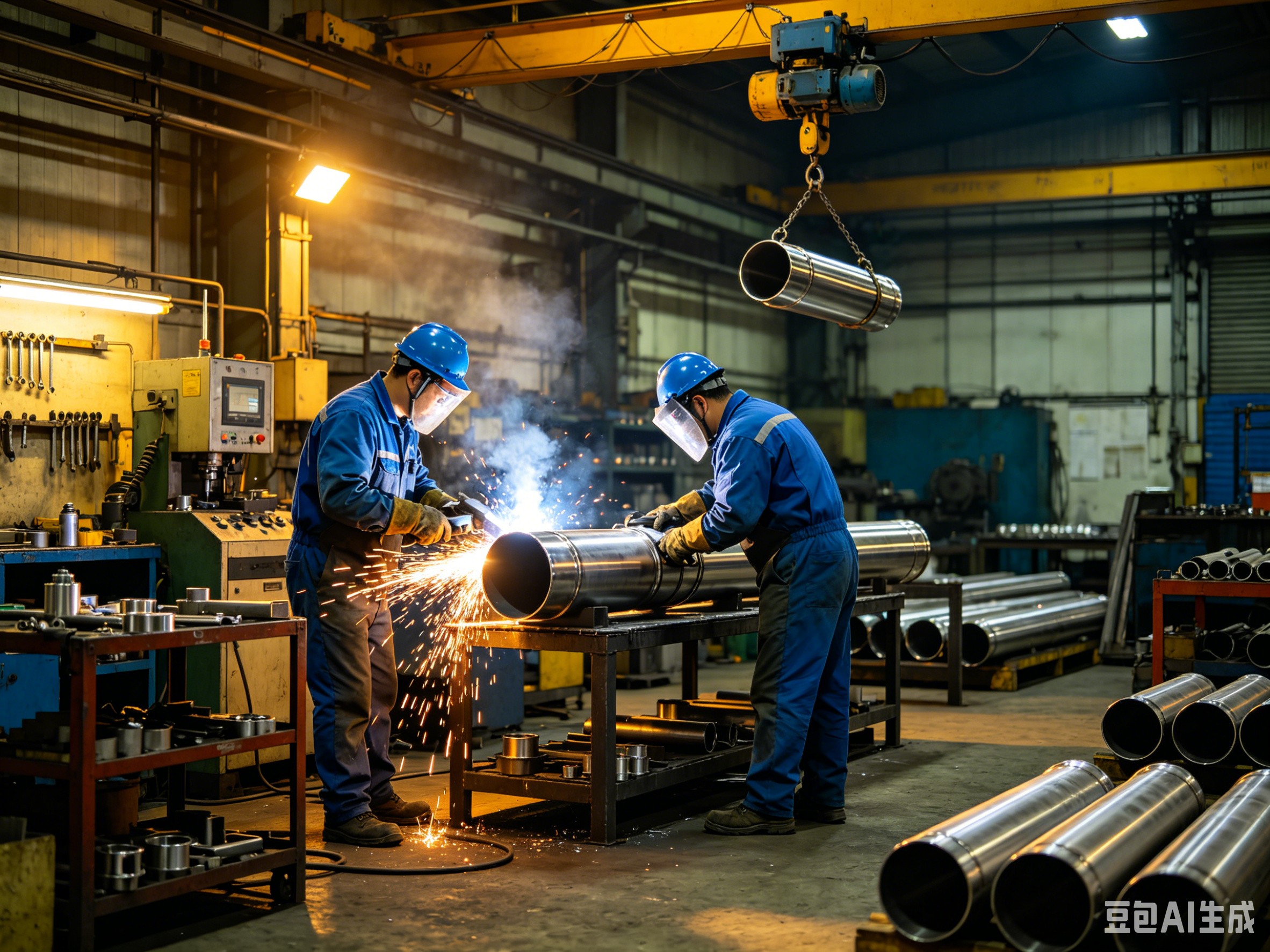
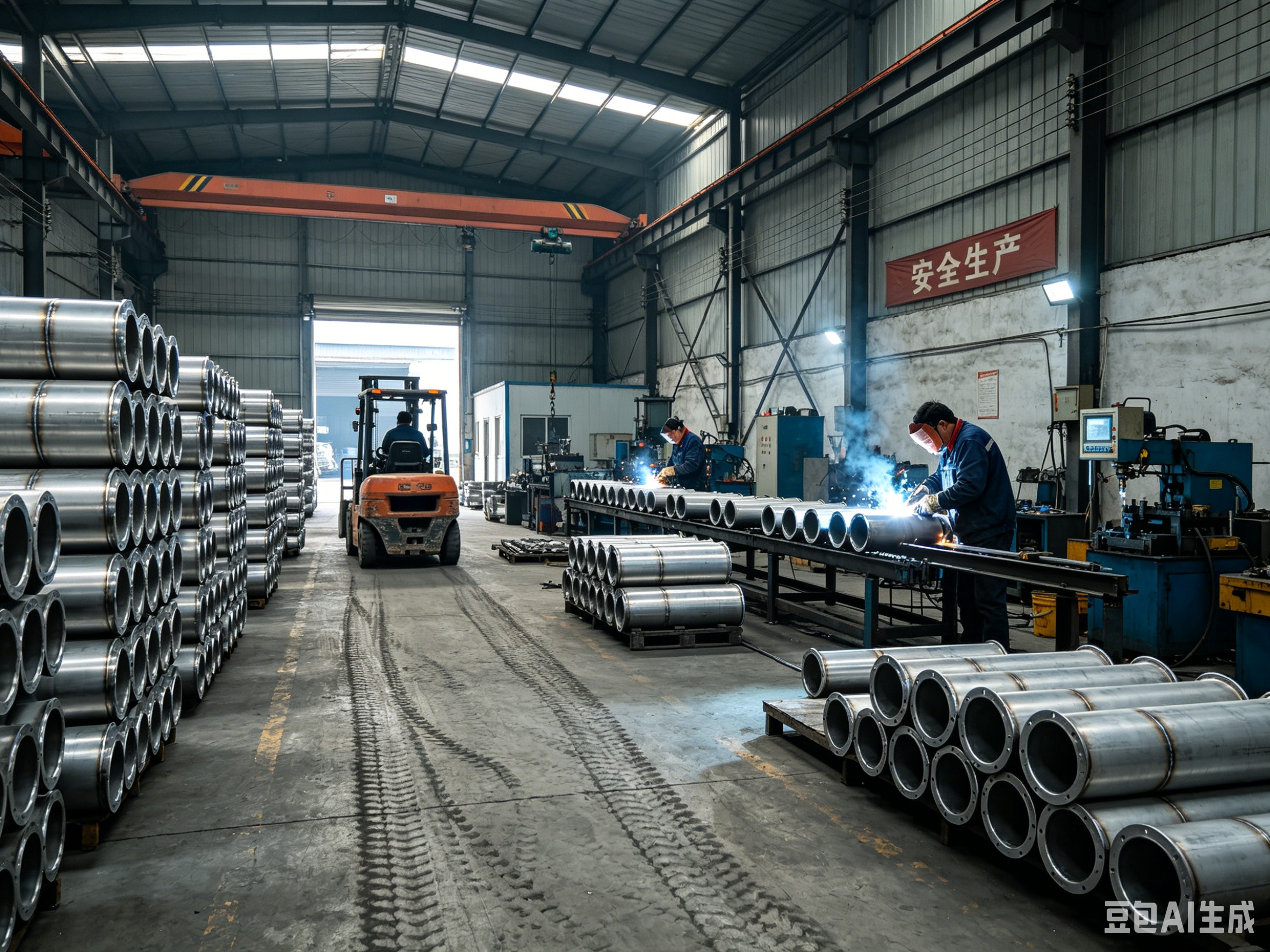
Shandong Obert Machinery Technology Co., Ltd. manufactures mufflers and related exhaust system products for automotive, motorcycle, generator, and construction equipment applications. For customized projects, buyers can provide drawings, samples, or technical specifications so that manufacturing feasibility and product requirements can be evaluated before production.
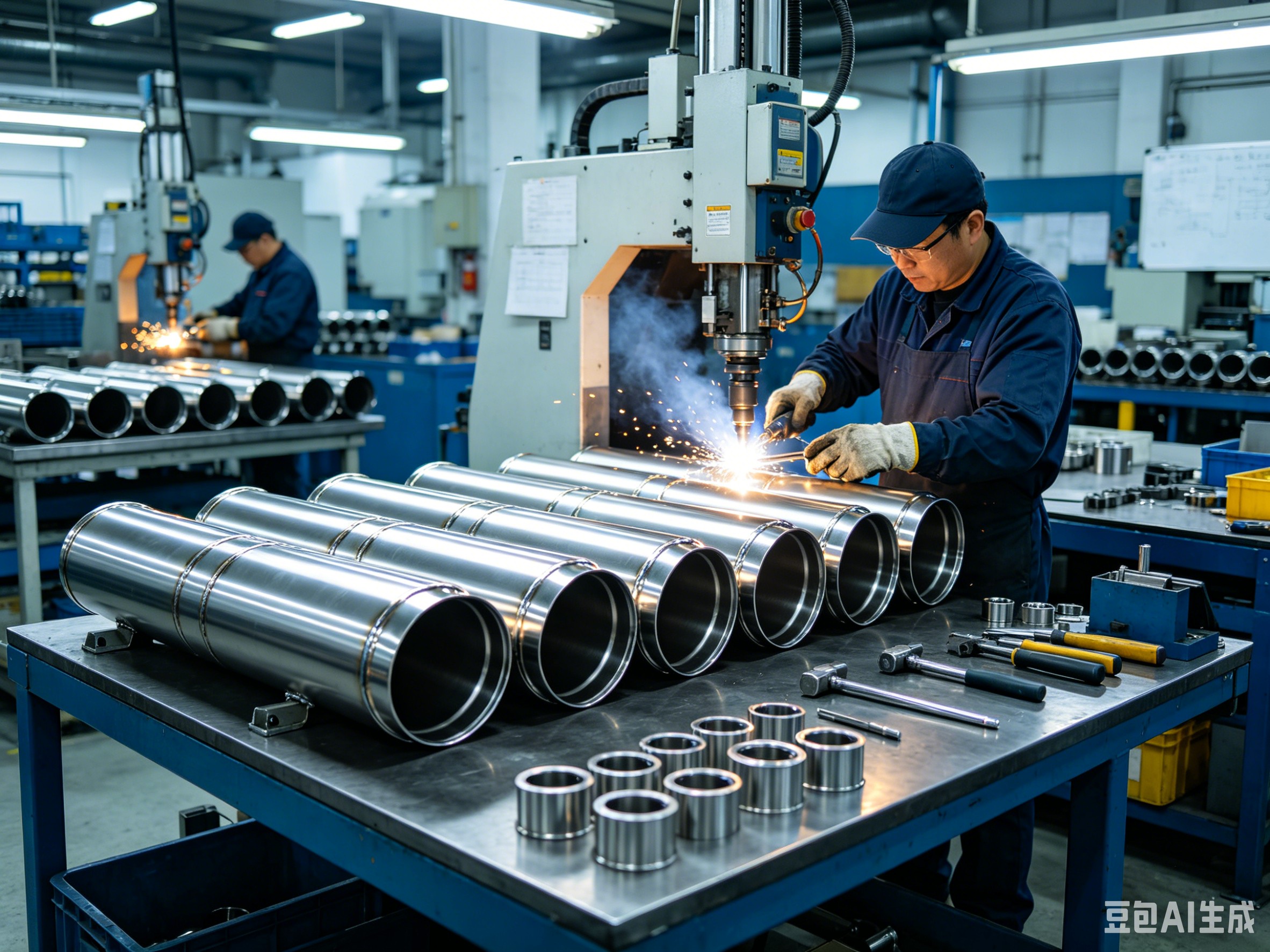
A practical quality control process may include dimensional inspection, visual examination, weld assessment, material verification, and other checks agreed upon by the customer and manufacturer.
Before mass production, approving a representative sample and confirming the final technical documentation can help reduce misunderstandings and improve repeat-order consistency. - Establish a Practical Maintenance and Inspection Plan
Proper component selection should be supported by regular inspection throughout the exhaust system's service life.
Maintenance intervals should follow the equipment manufacturer's recommendations and reflect the severity of the operating environment.
During inspections, operators should check for loose connections, damaged mounting brackets, excessive corrosion, visible cracks, and unusual exhaust noise. Flexible connections should also be examined for deterioration or damage.
Any suspected exhaust leak should be investigated promptly, particularly where exhaust gases could enter an occupied area or equipment enclosure.
For fleet operators and industrial equipment owners, recording recurring failures can help identify underlying problems. Repeated damage near a mounting bracket, for example, may indicate a support or alignment issue rather than a material problem alone.
Sharing this information with the component manufacturer can help buyers evaluate whether changes to the design, installation, or material specification are appropriate.
Conclusion
Improving exhaust system durability requires a complete approach to component selection, material quality, exhaust flow, vibration control, corrosion protection, and manufacturing consistency.
For international B2B buyers, the most effective sourcing strategy is to define the operating requirements clearly, verify component compatibility, and establish practical inspection standards before mass production.
OEM and ODM cooperation can provide additional flexibility when standard products do not meet specific installation or performance requirements.
Shandong Obert Machinery Technology Co., Ltd. provides mufflers and exhaust system components for customers seeking application-specific manufacturing solutions. If you are sourcing automotive exhaust parts, commercial vehicle mufflers, generator exhaust components, or customized products for construction machinery, visit https://www.obertmachinery.com/ to learn more about our products.
Contact our team with your technical drawings, material requirements, or application details to discuss a suitable exhaust solution and request a quotation for your next project.
Shandong Obert Machinery Technology Co., Ltd. specializes in automotive exhaust systems and related metal parts. We manufacture mufflers, catalytic converters, exhaust pipes, and stamped components, and provide OEM & ODM services for commercial vehicle manufacturers with customized engineering solutions.