OBT
- By obert-2
- Oct 14 2026
Automotive Muffler Material Selection: A Complete Guide for B2B Exhaust System Buyers
Automotive muffler material selection is one of the most critical decisions for auto parts importers, distributors and vehicle manufacturers. Different materials bring big differences in service life, heat resistance, corrosion resistance and total cost. Many B2B buyers only focus on upfront price, which often leads to early rust, exhaust leaks and high after-sales costs. This guide compares common automotive muffler materials and helps you make smarter purchasing decisions for your automotive exhaust projects.
How Working Conditions Affect Automotive Muffler Material Performance
Automotive mufflers face high exhaust temperature, thermal cycling, road salt, moisture and vibration. Cold regions and coastal markets have higher corrosion risks. In these environments, condensate inside the muffler accelerates rust. When the engine heats up and cools down repeatedly, the muffler shell expands and contracts continuously. Poor material or low-quality welding will develop cracks and exhaust leakage. Aftermarket replacement mufflers and OEM original equipment mufflers have different durability standards, so material requirements should match the intended application and target market climate.
Main Automotive Muffler Materials Compared
Aluminized steel is the most widely used material for standard aftermarket automotive mufflers. It has an aluminum-silicon coating to resist high temperature oxidation. Its main advantage is balanced cost and heat resistance. For temperate inland markets, aluminized steel mufflers can offer acceptable service life. The limitation is weaker resistance against road salt and heavy moisture.
409 stainless steel is a cost-effective ferritic stainless steel option. It delivers better rust resistance than aluminized steel and handles repeated thermal shocks well. It is a popular choice for mid-range replacement automotive mufflers in humid areas.
304 stainless steel is the premium choice for high-performance and long-life exhaust systems. It provides excellent corrosion resistance against salt and moisture, suitable for coastal and cold regions with winter road salt. 304 stainless steel maintains stable mechanical properties under long-term high-temperature operation. It is commonly used for performance car exhaust assemblies and high-end replacement mufflers.
316 stainless steel offers superior anti-corrosion performance and is reserved for extreme corrosive environments, though its higher price limits mass use in standard automotive mufflers.
Manufacturing Factors That Affect Muffler Lifespan
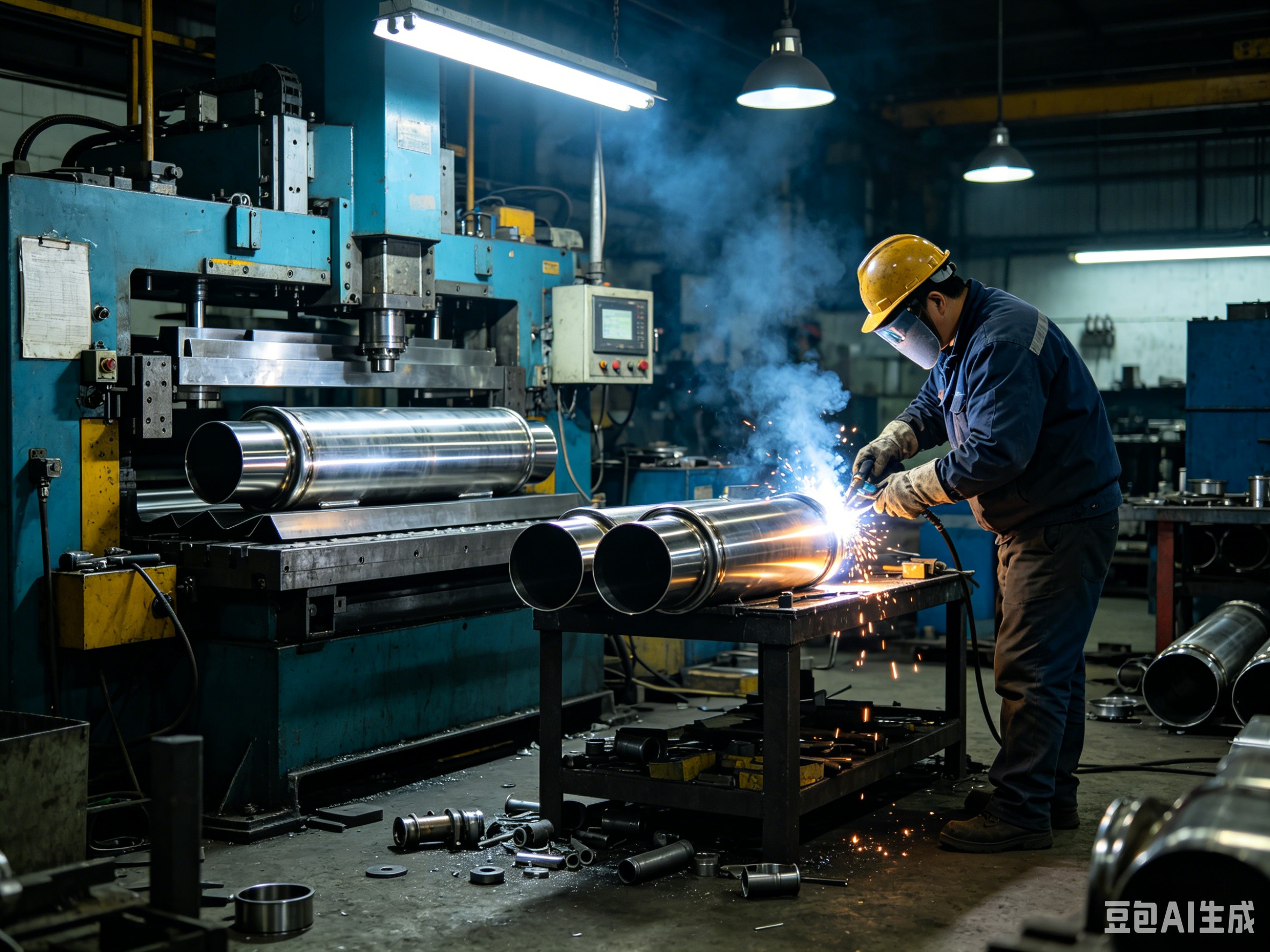
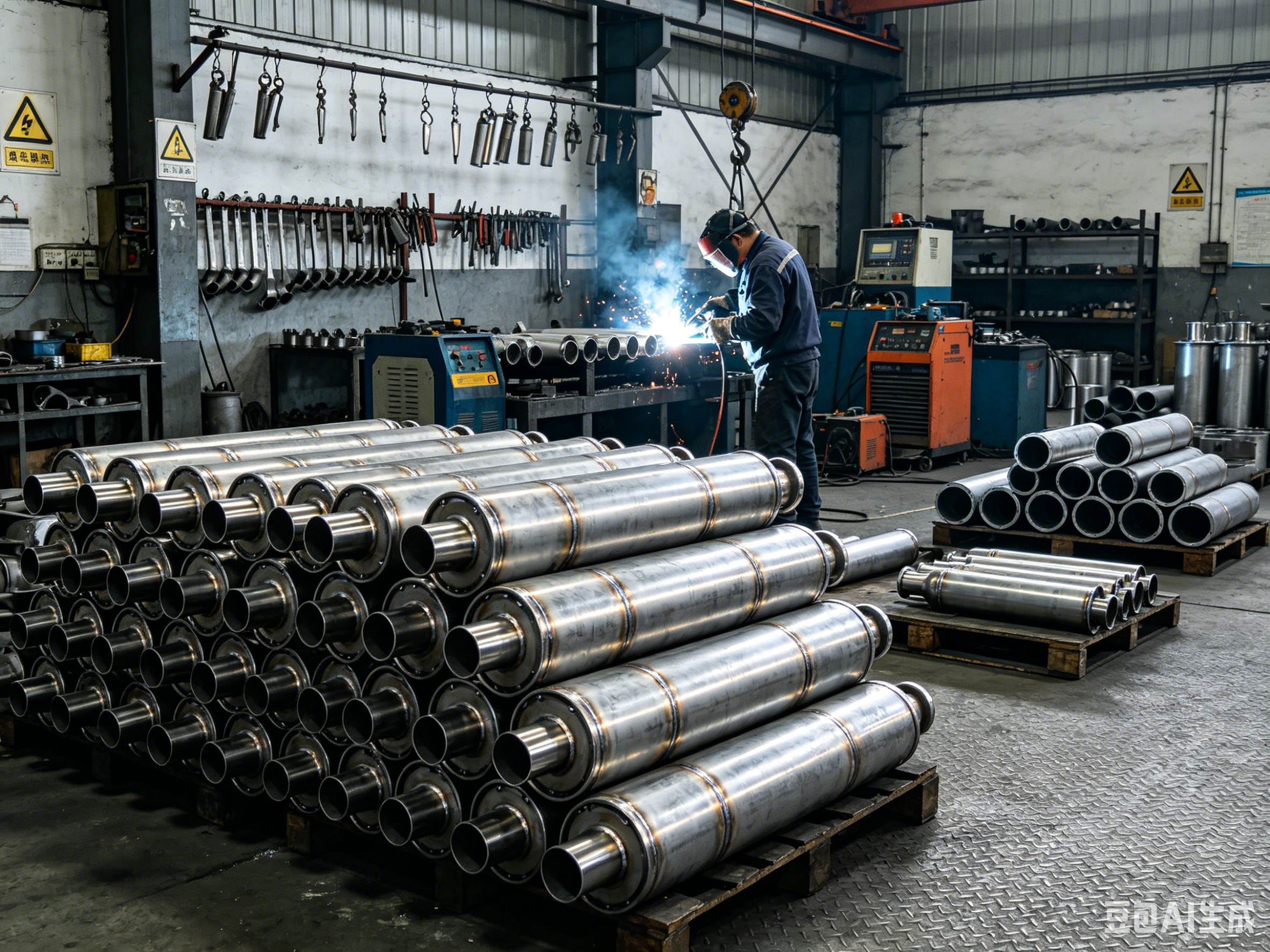
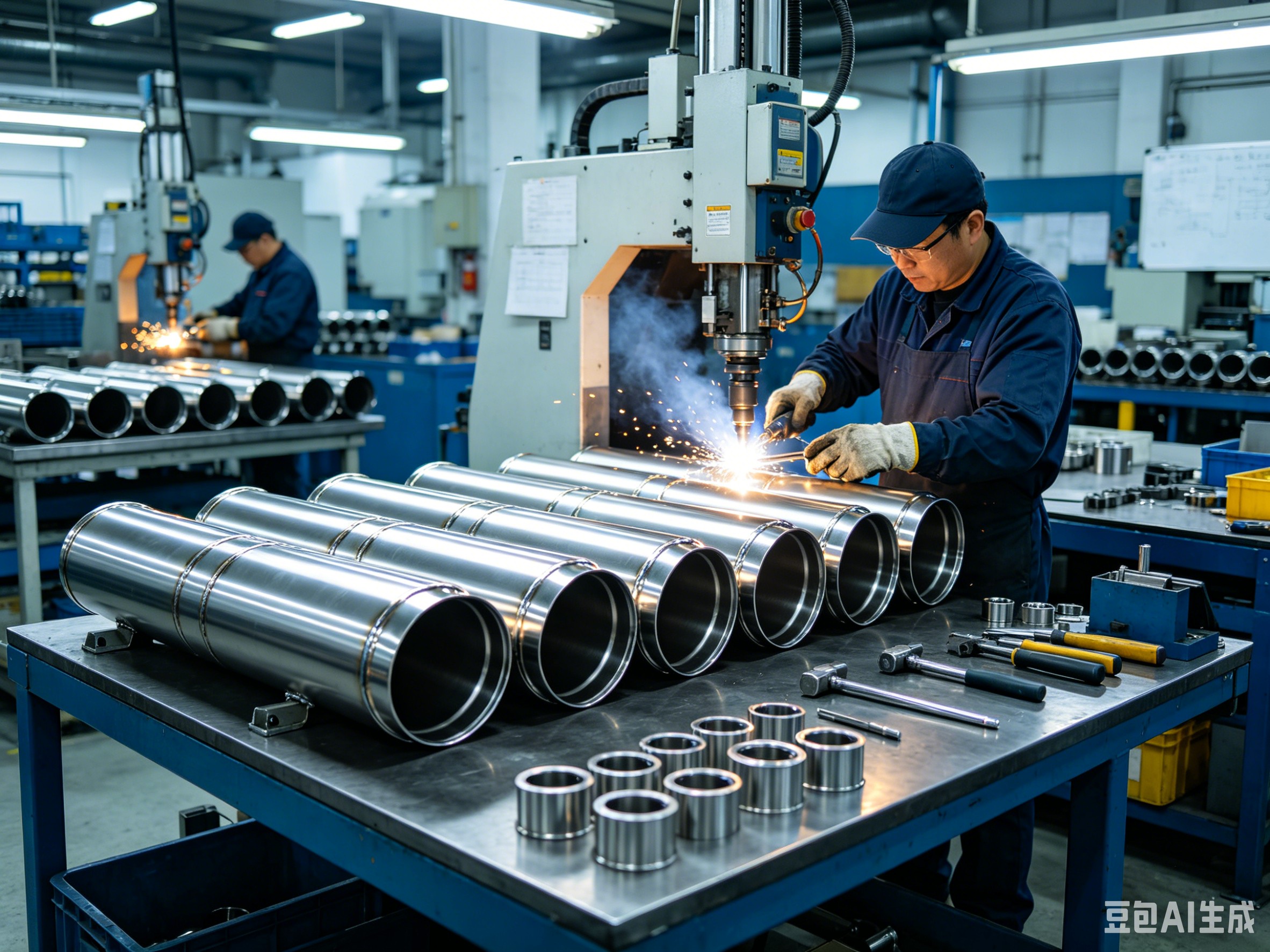
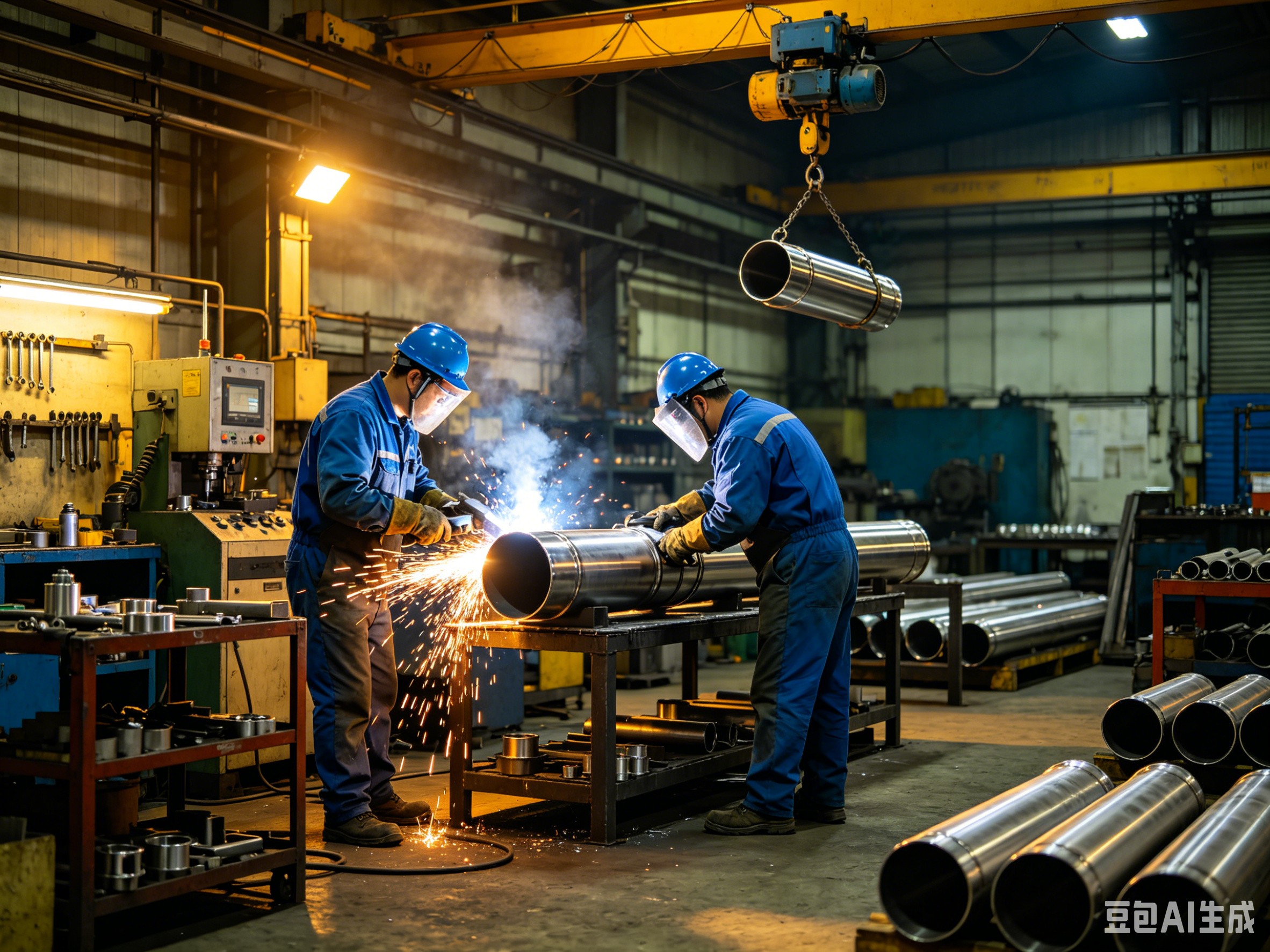
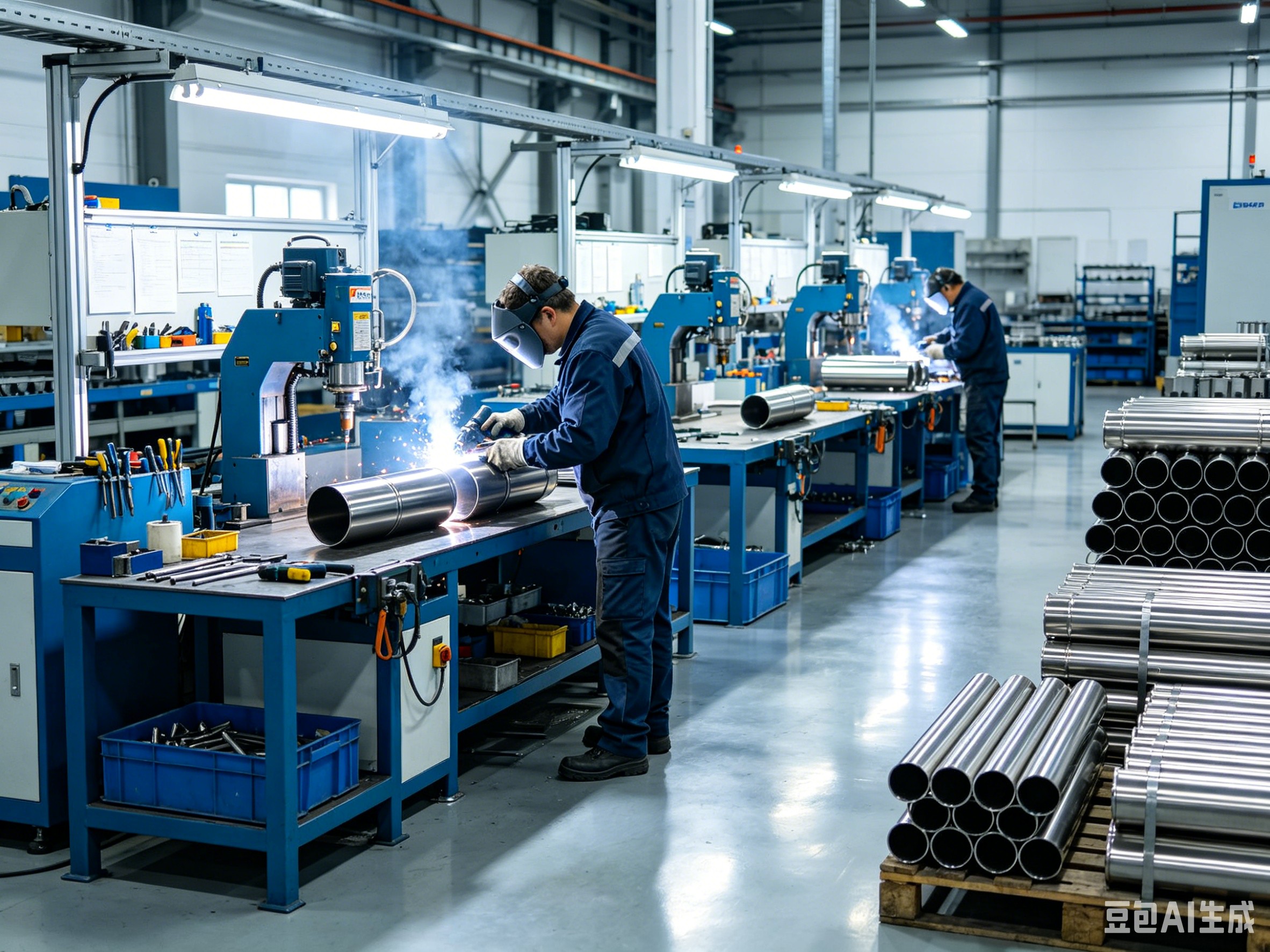
Material grade alone cannot guarantee quality. Cutting, forming, welding and coating processes also matter. Continuous seam welding provides better air tightness than spot welding. Internal sound-absorbing packing must withstand high temperature without melting or blowing out. Proper drain hole design removes condensate water and slows internal rust. When evaluating suppliers, confirm their QC process for material inspection, pressure testing and leak testing.
OEM Customization for Automotive Mufflers Based on Material Requirements
Some vehicle brands and large distributors need custom automotive mufflers with specified materials. Shandong Obert Machinery Technology Co., Ltd. provides OEM and ODM automotive muffler manufacturing. Our engineering team can select suitable materials according to your market climate, budget and durability targets. We can modify shell structure, internal baffle layout and mounting dimensions. We support sample production for validation before mass order release, for both aftermarket replacement mufflers and matched exhaust system components.
Recommendations for Bulk Buyers
Define your target market environment first. Select aluminized steel for low-budget inland projects. Choose 409 or 304 stainless steel for coastal, snowy or high-end markets. Always ask your supplier for material specification information. Run sample durability and leak tests before committing to large orders. Clear material specifications reduce disputes and returns.
Conclusion
Automotive muffler material choice directly determines product lifespan and customer feedback. Understanding the advantages and limits of aluminized steel and stainless steel helps B2B buyers balance cost and performance. If you are sourcing automotive mufflers or full exhaust system parts, contact Shandong Obert Machinery Technology Co., Ltd. Tell us your working environment and performance expectations, and our team will recommend proper materials and provide a customized quotation for your exhaust projects.
Shandong Obert Machinery Technology Co., Ltd. specializes in automotive exhaust systems and related metal parts. We manufacture mufflers, catalytic converters, exhaust pipes, and stamped components, and provide OEM & ODM services for commercial vehicle manufacturers with customized engineering solutions.